

Arduino vs ESP32: Which Is Best for Embedded Systems Beginners

Choosing the right development board is the most critical first step when entering the world of embedded systems development. For years, the traditional Arduino Uno served as the undisputed starting point for beginners learning electronics and embedded C programming. However, the rise of modern Internet of Things (IoT) applications has brought feature-rich System-on-Chips like the ESP32 into the spotlight. Beginners now face a classic dilemma: stick to basic hardware fundamentals or dive straight into connected devices.
Understanding the underlying differences between the classic Arduino ecosystem and the high-performance ESP32 platform helps new developers save time, reduce frustration, and build a solid technical foundation. While both platforms allow you to write code, interface with sensors, and control physical hardware, they target completely different processing needs and project complexities. Evaluating these microcontrollers based on architecture, ease of use, cost, and wireless connectivity ensures you pick the right board for your learning path.
Arduino vs ESP32: Detailed Hardware & Feature Comparison
| Feature / Characteristic | Arduino Uno (Rev3) | ESP32 (DevKit) |
| Processor Core | 8-bit ATmega328P single-core | 32-bit Tensilica Xtensa dual-core |
| Clock Speed | 16 MHz | Up to 240 MHz |
| SRAM / Flash Memory | 2 KB SRAM / 32 KB Flash | 520 KB SRAM / 4 MB – 16 MB Flash |
| Operating Voltage | 5V Logic | 3.3V Logic |
| Wireless Connectivity | None (Requires external modules) | Built-in Wi-Fi (802.11 b/g/n) & Bluetooth/BLE |
1. Processing Power and Hardware Architecture
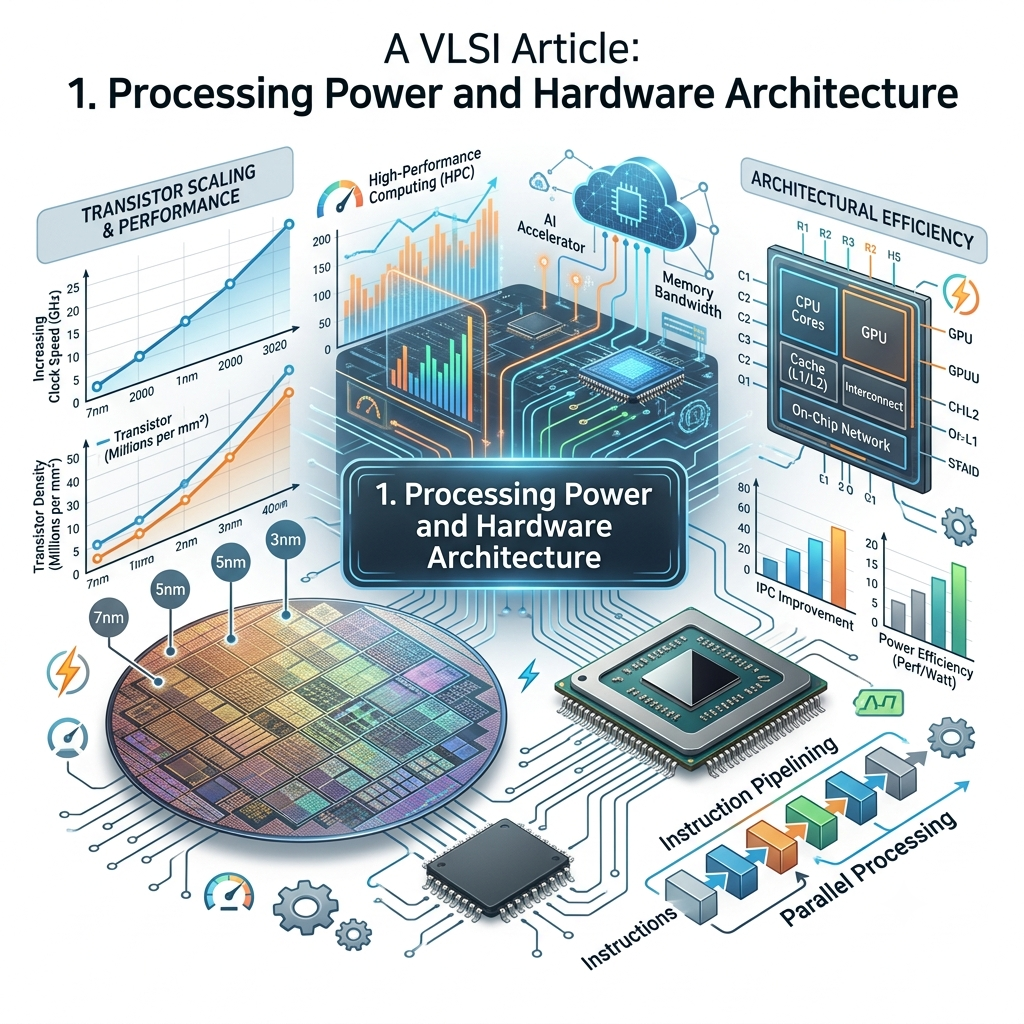
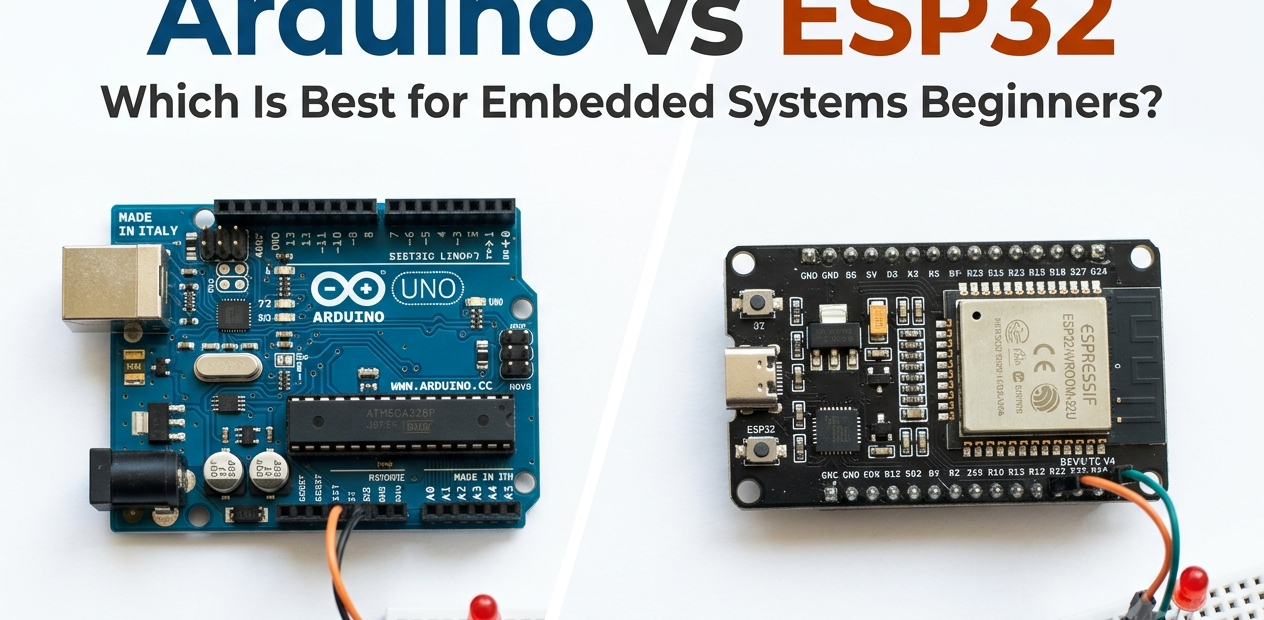
The structural difference between an 8-bit Arduino and a 32-bit ESP32 forms the core of their performance disparity. A classic Arduino Uno runs on an ATmega328P single-core processor clocked at a modest 16 MHz with just 2 KB of SRAM. This bare-metal setup executes instructions sequentially, making it predictable, easy to inspect, and completely immune to background operating system overhead. It is ideal for basic circuit control and deterministic timing applications.
In contrast, the ESP32 houses a powerful Tensilica Xtensa dual-core processor operating at speeds up to 240 MHz, supported by 520 KB of internal SRAM. This massive step up in computational capacity enables the board to execute real-time tasks using FreeRTOS, parse complex data payloads, and process audio or camera streams effortlessly. While this added capability provides incredible flexibility, it introduces higher architectural complexity for absolute beginners.
2.Built-In Wireless Connectivity and IoT Capabilities
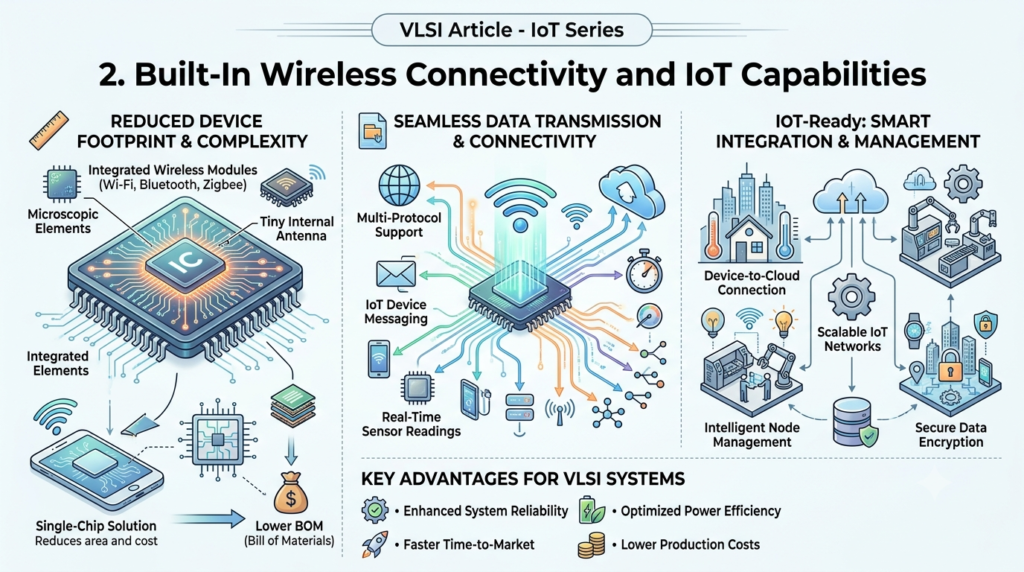
Wireless communication separates traditional microcontrollers from modern, cloud-connected hardware solutions. Standard Arduino boards lack integrated wireless capabilities out of the box, requiring developers to wire external Wi-Fi, Ethernet, or Bluetooth modules over UART or SPI buses. While this teaches beginners how hardware protocols communicate, adding external shields increases circuit wiring points, power consumption, and hardware failure opportunities.
The ESP32 was specifically designed to solve connectivity barriers by integrating Wi-Fi and dual-mode Bluetooth (BLE) directly onto a single die. This built-in radio capability allows developers to establish secure SSL/TLS connections, interact with cloud APIs, and send MQTT telemetry data directly from the board. For beginners aiming to build smart home systems or web-connected sensors, the ESP32 eliminates extra wiring and provides instant cloud access.
Read More: Real-World Applications of Embedded Systems in IoT
3. Connectivity: Where They Stand Apart
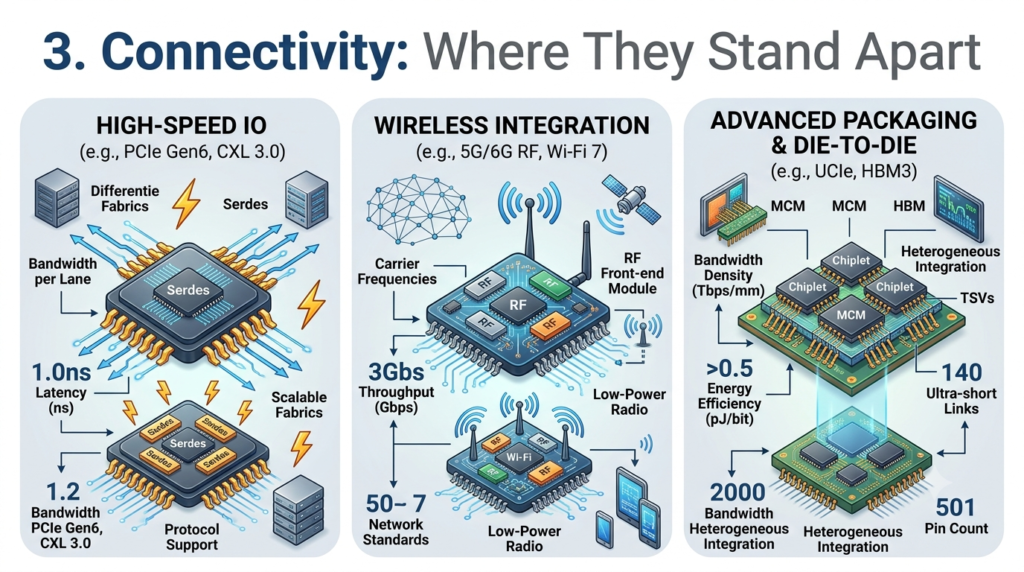
This is where the most dramatic divergence between these platforms becomes apparent. Arduino boards in their basic form have no built-in wireless connectivity. Adding WiFi or Bluetooth requires external modules like the WiFi shield or Bluetooth modules, which consume additional pins, power, and cost. This modular approach has pedagogical value—you learn the communication protocols and integration challenges—but it adds complexity and practical limitations.
The ESP32 changes this equation entirely. Integrated WiFi (802.11 b/g/n) and Bluetooth (both Classic and Low Energy) connectivity are baked directly into the chip. This architectural decision reflects a modern understanding of IoT and connected systems. In 2024-2025, nearly every embedded system developed professionally involves some form of wireless communication. Starting with the ESP32 means you’re learning on a platform that matches current industry expectations.
For career progression in embedded systems, this matters profoundly. WiFi-enabled devices dominate smart home applications, industrial monitoring, and edge computing implementations. Developers comfortable working with integrated connectivity from day one have significant advantages when transitioning to professional IoT projects. The ESP32 isn’t just adding features—it’s reflecting how modern embedded systems are actually designed and deployed in production environments.
4. Power Consumption and Battery Efficiency
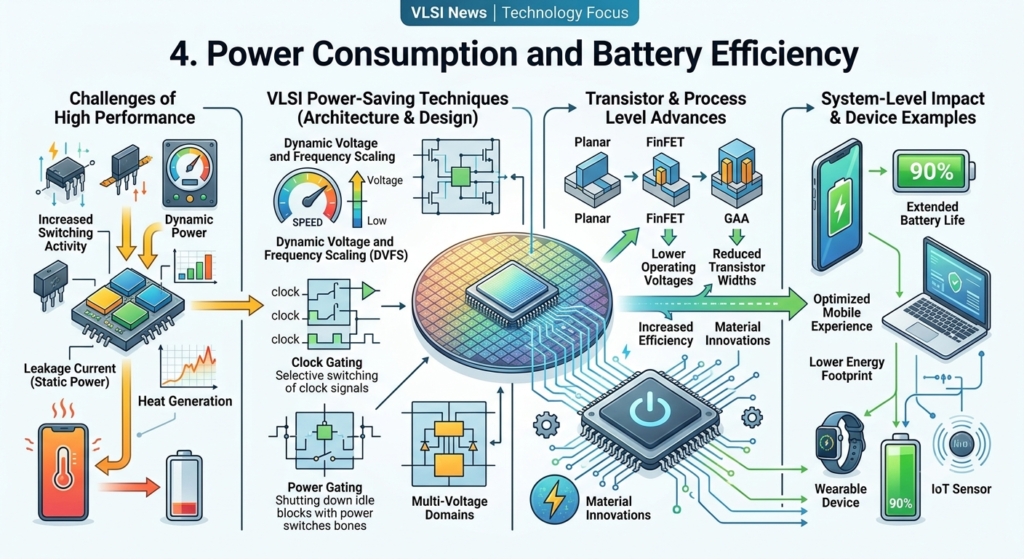
Battery-powered devices represent one of the fastest-growing categories in embedded systems development. The Arduino Uno, with its consistent 45-80 mA current draw and 35 mA in deep sleep, works reasonably well for tethered or wall-powered applications. However, for portable devices and remote sensors, this consumption becomes problematic.
The ESP32 introduces ultra-low power sleep modes, deep sleep functionality, and intelligent power management. Modern applications demand devices that can run for months or years on battery power, particularly in industrial IoT, wearable technology, and remote sensing applications. The ESP32’s architecture supports this requirement with proprietary power optimization features that simply don’t exist on Arduino platforms.
Understanding power consumption isn’t just an engineering consideration—it’s a marketability factor. Developers who can design systems that achieve six-month battery life on a small charge have skills that directly increase market value. The ESP32’s power efficiency capabilities represent a significant step toward meeting real-world commercial requirements. This is particularly relevant for professionals entering embedded systems with IoT careers, where energy efficiency often determines project viability.
5. Real-World Applications and Project Scalability
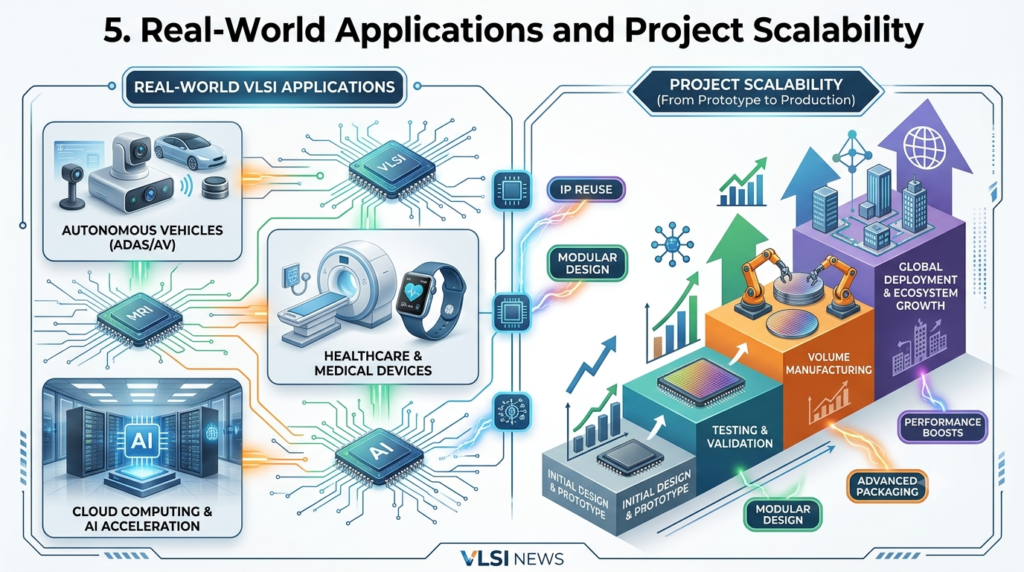
The practical applications each platform excels at reveal their true purpose in today’s embedded systems landscape. Arduino thrives in educational environments, simple control systems, and projects where learning the fundamentals matters more than market-ready features. Home automation lighting, basic sensor projects, and prototype stages benefit from Arduino’s simplicity and the enormous repository of tutorials and community support.
The ESP32, conversely, powers production IoT systems. Smart home hubs, wearable health trackers, environmental monitoring networks, industrial automation controllers—these applications represent where the industry is actually headed. A developer building a weather station that logs data to the cloud, a water quality monitoring system for agriculture, or a smart building management system will find the ESP32’s capabilities essential rather than optional.
Scalability considerations extend beyond hardware to career implications. Learning on platforms that match industry requirements means your skills remain relevant as you progress professionally. The embedded systems job market increasingly demands experience with connected, intelligent devices. Starting with a platform designed for these applications accelerates your transition from hobbyist to professional developer. Companies in the IoT, industrial automation, and consumer electronics sectors are actively seeking developers with ESP32 experience, reflecting the platform’s dominant position in commercial applications.
Conclusion
Recent developments in 2025-2026 show interesting convergence patterns. Qualcomm’s acquisition of Arduino reflects recognition of Arduino’s educational value and established community. Simultaneously, the ESP32 continues dominating commercial applications, with Espressif Systems consistently releasing performance improvements and new variants for specialized applications.
The embedded systems field is increasingly adopting a pragmatic approach: use the right tool for the right job, but understand both tools thoroughly. Many developers now start with Arduino to learn fundamentals, then transition to ESP32 for production work. However, an equally valid path involves beginning with ESP32 and learning efficiency constraints through its power management features.
For professionals targeting VLSI careers and embedded systems positions, the advice has evolved. If your goal is understanding pure electronics and foundational concepts, Arduino remains exceptional. If your goal is building practical, connected systems and progressing toward IoT engineering roles, the ESP32 offers steeper learning curves but directly applicable professional skills. The best choice depends on your specific career trajectory, project requirements, and the timeline for your transition from beginner to professional embedded systems engineer.
Both platforms offer substantial value. The question isn’t which is universally better, but which better serves your learning objectives and career ambitions in the dynamic embedded systems landscape.
1. Which is better for beginners, Arduino or ESP32?
Arduino is easier for beginners, while ESP32 offers more advanced features like Wi-Fi, Bluetooth, and greater processing power.
2. Is ESP32 better than Arduino for embedded systems?
ESP32 is more powerful and feature-rich, making it better for IoT and advanced embedded projects. Arduino is simpler for learning basics.
3. Should I learn Arduino before ESP32?
Yes. Arduino is a great starting point for learning microcontrollers, C/C++, GPIO, sensors, and basic embedded programming.
4. Is Arduino or ESP32 better for IoT projects?
ESP32 is generally better for IoT because it includes built-in Wi-Fi and Bluetooth, making wireless connectivity easier.
5. Is ESP32 harder to learn than Arduino?
ESP32 can be slightly more complex, but beginners familiar with Arduino can quickly transition to ESP32 for advanced projects.
6. Do I need an internet connection to use an ESP32?
No, an internet connection is not required to run code on an ESP32. It can function as a offline microcontroller just like an Arduino, executing local code, reading analog/digital inputs, and controlling hardware outputs without using its wireless radios.
7. Which board should I pick for learning robotics and motor control?
For basic motor drivers, basic line-following robots, and simple servo control, Arduino Uno is often preferred for beginners due to its simple 5V pin interfacing and predictable bare-metal timing. However, if your robot requires Wi-Fi remote control, camera feeds, or smartphone app connection over Bluetooth, the ESP32 is the better choice.