
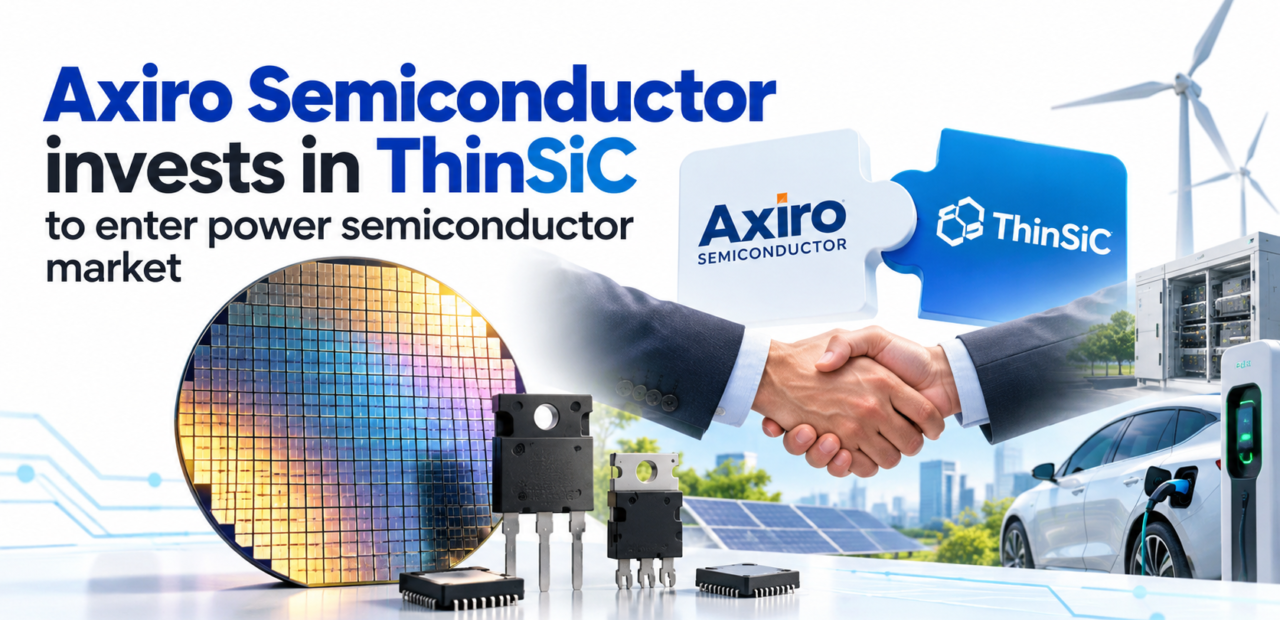
Axiro Semiconductor invests in ThinSiC to enter power semiconductor market

The semiconductor industry is expanding beyond conventional computing and connectivity chips as demand grows for components that can manage electrical power efficiently. From electric mobility and renewable energy to industrial automation and electricity transmission, power semiconductors play an essential role in converting, controlling and distributing electrical energy. Silicon carbide (SiC) has attracted growing industry attention because its material properties make it suitable for high-voltage and high-temperature applications. However, manufacturing complexity, device costs and the need for reliable production processes remain important challenges. Against this backdrop, Axiro Semiconductor’s reported investment in ThinSiC signals a strategic move into the power semiconductor segment and highlights the increasing importance of advanced semiconductor materials in next-generation electronic systems.
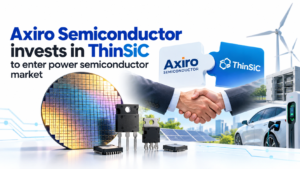
According to reports published on October 29, 2026, Axiro Semiconductor, a wholly owned subsidiary of CG Power and Industrial Solutions, has invested in ThinSiC Inc., a Silicon Valley-based semiconductor company developing silicon carbide power devices. The reported transaction positions Axiro as the lead investor in ThinSiC’s latest funding round and includes plans for a long-term commercial partnership. The collaboration is intended to support the development and commercialisation of SiC technology, with potential relevance to industrial power systems and electrical infrastructure. Although the announcement points to a strategic expansion, its long-term significance will depend on technical validation, manufacturing scalability, commercial adoption and the partners’ ability to deliver competitive products. TaxGuru+1
Why Is Axiro Semiconductor Entering the Power Semiconductor Market?
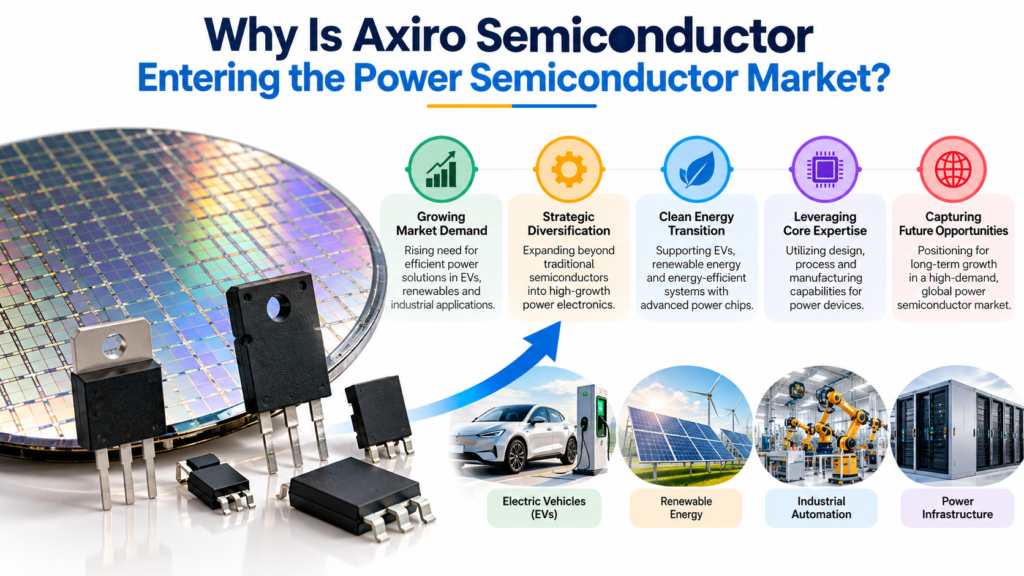
Axiro Semiconductor has established capabilities in radio-frequency (RF), millimetre-wave (mmWave) and advanced connectivity technologies. Its reported investment in ThinSiC represents an expansion into a different but complementary semiconductor segment: power electronics. While RF and mmWave devices support high-frequency communication, power semiconductors control electrical energy in systems ranging from industrial equipment to energy infrastructure.
Entering this market could allow Axiro to diversify its technology portfolio and explore applications beyond connectivity. The investment also offers a route to collaborate with a specialist in SiC technology instead of relying exclusively on internal development. However, the commercial value of this expansion will depend on the partnership’s execution, product performance and the availability of customers willing to adopt the resulting devices. TaxGuru+1
Read More: INOX India and ITM SLS Baroda University Launch Semiconductor Skills Centre
What Makes Silicon Carbide Important in Power Electronics?
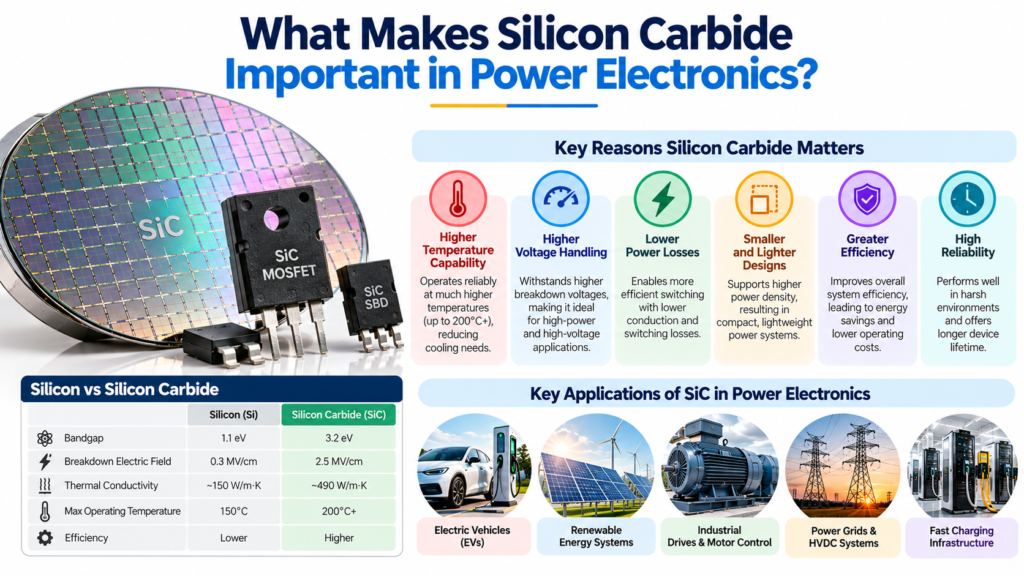
Silicon carbide is a wide-bandgap semiconductor material with properties that make it attractive for demanding power applications. Compared with conventional silicon, SiC can support higher electric fields and operate at higher temperatures, depending on the device design and operating conditions. These characteristics can enable power devices with lower switching losses and improved efficiency in appropriately designed systems.
Potential applications include electric vehicle powertrains, industrial motor drives, renewable-energy inverters, rail traction and power-grid equipment. Nevertheless, SiC does not automatically outperform silicon in every application. Device costs, switching behaviour, thermal design, packaging and system requirements all influence the final choice of semiconductor. Wider adoption therefore depends on delivering a meaningful system-level benefit at a commercially competitive cost. TaxGuru+1
How the ThinSiC Partnership Could Support Technology Development
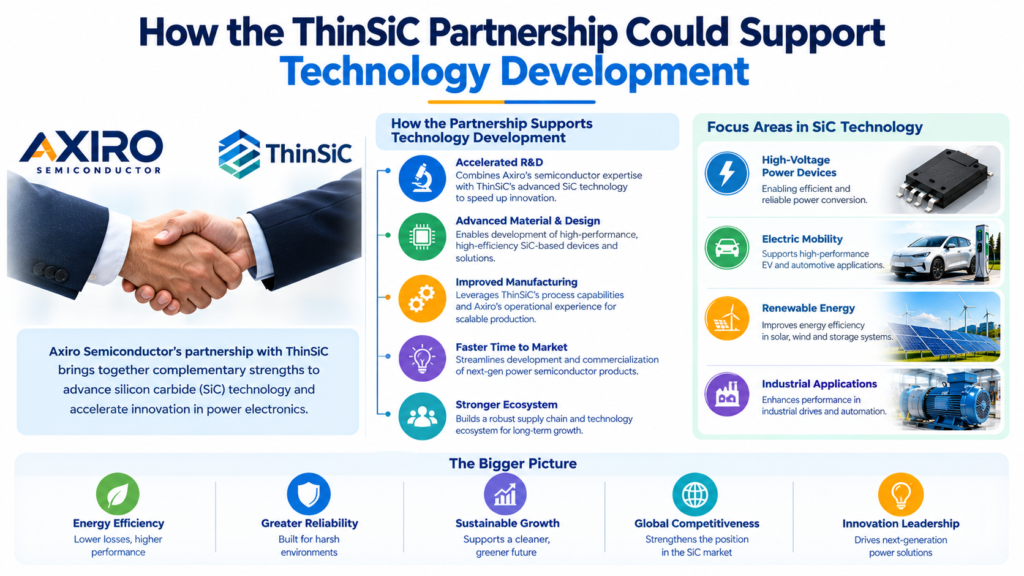
ThinSiC is described in industry coverage as a company developing silicon carbide power-device technology. The reported partnership with Axiro is intended to accelerate development and commercialisation, combining semiconductor expertise with access to a larger industrial ecosystem. Axiro’s investment role may provide ThinSiC with financial support and a strategic partner for pursuing potential commercial opportunities.
A key question is how the collaboration will translate technology development into products that meet industry requirements. Power semiconductors must undergo rigorous electrical, thermal, reliability and application-specific testing before widespread adoption. Manufacturing consistency, packaging, qualification timelines and customer integration will also matter. The announcement establishes a strategic direction, but it should not be interpreted as proof that large-scale production or commercial deployment has already been achieved. TaxGuru+1
Potential Applications Across Industrial and Energy Infrastructure
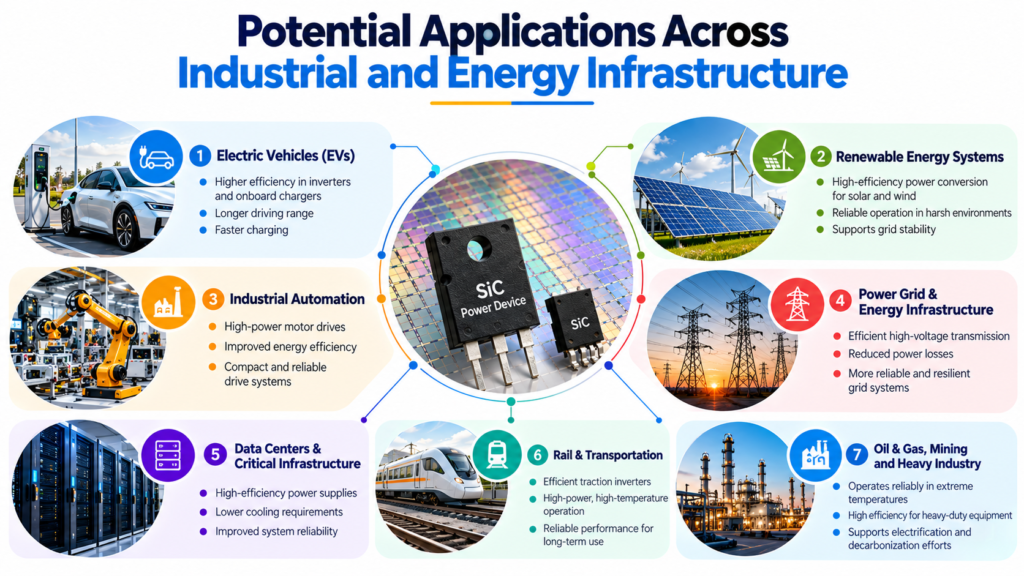
One important opportunity for SiC technology is in high-power industrial equipment. Motor drives, power-conversion systems and rail traction applications can benefit from efficient energy conversion, particularly where equipment operates under demanding electrical and thermal conditions. In such environments, reducing conversion losses can improve overall system efficiency and potentially reduce cooling requirements.
Power-grid infrastructure and renewable-energy systems are other potential areas of relevance. SiC-based devices can be considered for selected high-voltage converters and other power-electronic equipment, subject to system design and qualification requirements. CG Power’s industrial and power-transmission presence could offer a useful commercial connection for Axiro and ThinSiC. Still, specific customer contracts, deployment plans and realised performance improvements should not be assumed unless confirmed by the companies. TaxGuru+1
Market Opportunities, Challenges and What to Watch Next
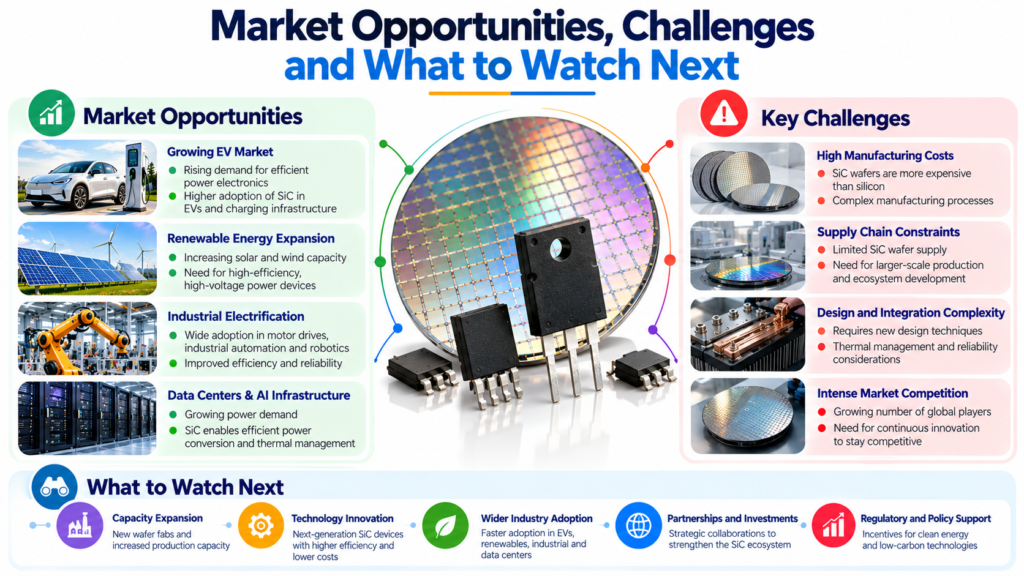
The investment reflects a broader industry interest in power semiconductors as electrification, renewable-energy integration and industrial automation create demand for efficient power conversion. SiC technology may be especially attractive where high voltage, temperature tolerance and switching efficiency are important. A partnership between a semiconductor design company and a specialised technology developer could help bring new device concepts closer to commercial use.
Several challenges remain. SiC devices can face higher material and processing costs than established silicon alternatives, while manufacturing defects, wafer quality, packaging and qualification requirements can affect yields and final prices. Competition from established power-semiconductor suppliers is another consideration. To assess the investment’s progress, readers should watch for verified updates on product development, device specifications, manufacturing readiness, customer qualification and commercial shipments. These milestones will provide stronger evidence of progress than the investment announcement alone.