

Semicon India 2026 to Showcase Chip Ecosystem, Feature Global CEOs

India is about to put its semiconductor ambitions on full display, and the world is watching. In a few weeks, New Delhi will turn into the meeting point for chipmakers, policymakers, and investors who are betting big on India’s silicon story.
Semicon India 2026, the fifth edition of this flagship event, is set to run from September 17 to 19 at Yashobhoomi (IICC) in Dwarka, New Delhi. With Prime Minister Narendra Modi expected to inaugurate the event and a roundtable of global CEOs planned a day earlier, this year’s edition looks set to be the biggest yet.
What Semicon India 2026 Is All About
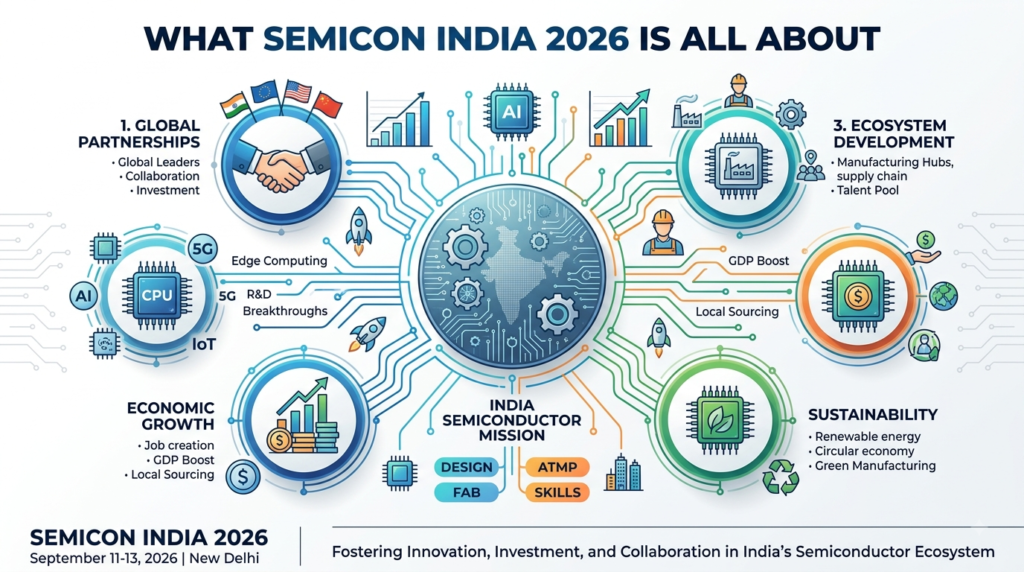
Jointly organised by SEMI and the India Semiconductor Mission (ISM), Semicon India 2026 carries the theme “Silicon to Systems: Building the Ecosystem.” The three-day event is expected to bring together more than 500 exhibitors, including nearly 300 international companies from over 40 countries, according to officials at the curtain-raiser.
The event will not just be an exhibition. It is designed as a working platform where manufacturing, design, supply chains, and technology providers can connect under one roof. Six international country roundtables are also part of the agenda, along with a startup pitch competition and workforce development sessions aimed at strengthening India’s talent pipeline for the sector. This mix of exhibition, dialogue, and deal-making is what has made Semicon India grow into one of the most closely watched semiconductor gatherings outside the traditional hubs of the US, Taiwan, and South Korea.
A Roundtable of Global Chip Leaders
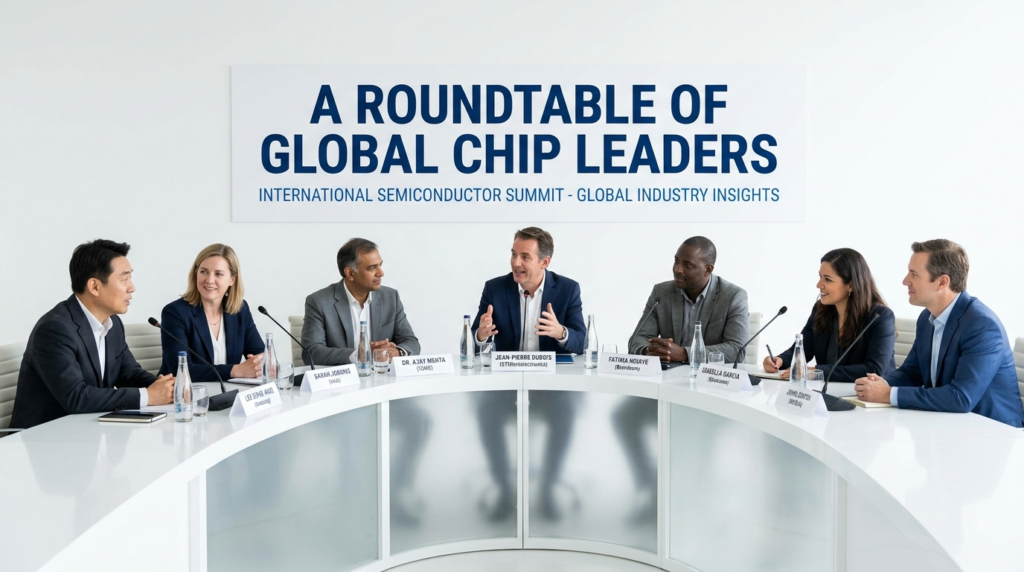
One of the most anticipated parts of Semicon India 2026 is the CEO roundtable, chaired by Prime Minister Modi, scheduled for September 16, a day before the formal inauguration. This closed-door session is expected to bring together top executives from across the global semiconductor value chain to discuss investment opportunities, policy support, and the road ahead for India’s chip manufacturing push.
SEMI President and CEO Ajit Manocha has already set the tone, describing India as well positioned to thrive given its speed, ambition, talent, and long-term vision. His comments reflect a broader sentiment among industry leaders that India’s opportunity is no longer just about joining the global chip supply chain but about becoming a genuinely integral part of it. These roundtables matter because they often translate into concrete announcements, whether new investment commitments, joint ventures, or partnerships between Indian companies and global players.
The Backdrop: India Semiconductor Mission Gaining Momentum
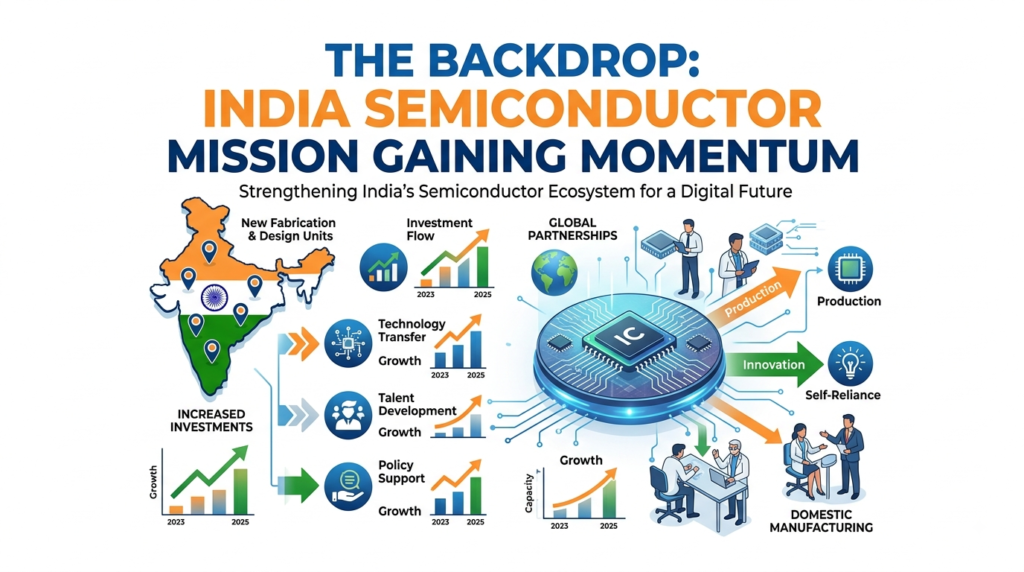
Semicon India 2026 is happening at an important moment for the country’s chip ambitions. Projects approved under the first phase of the India Semiconductor Mission (ISM 1.0) are steadily moving toward commercial production. According to IT Secretary S Krishnan, two to three semiconductor plants are expected to begin commercial production by the end of 2026, with the remaining projects likely to come online through 2027 and 2028.
This progress adds real credibility to India’s pitch as a semiconductor manufacturing destination, rather than just a market for finished electronics. The government has also approved the next phase, ISM 2.0, with a formal notification expected soon. This upcoming phase will focus on six broad areas: chip design, semiconductor equipment and materials, fab facilities, advanced packaging, research and development, and talent development. Together, these pillars are meant to move India beyond assembly and testing toward a more complete, end-to-end semiconductor ecosystem.
Recent milestones support this momentum. The India Semiconductor Mission has already seen groundbreaking ceremonies for new facilities, including a joint venture project in Uttar Pradesh, alongside the inauguration of an outsourced semiconductor assembly and test facility in Gujarat earlier this year. These aren’t just announcements on paper; they represent physical infrastructure taking shape on the ground.
Why This Edition Matters More Than the Last

Semicon India has grown steadily with each edition. The 2025 edition drew participation from companies and delegates across 48 countries, with the inaugural session featuring several global chief executives who shared their views on the industry’s progress, challenges, and opportunities. This year’s edition is expected to build on that scale, with a sharper focus on turning conversations into actual commitments.
What makes 2026 particularly significant is the timing. India’s semiconductor bets are no longer purely aspirational. With production lines starting to come online and a second phase of policy support already approved, the country is entering a phase where results, not just promises, will be under scrutiny. Global chip executives attending this year won’t just be evaluating potential; they’ll be watching how India executes on what has already been committed.
For anyone tracking the VLSI and semiconductor space in India, Semicon India 2026 is shaping up to be more than a trade show. It’s a checkpoint for how far the country’s chip ambitions have come and a preview of where the next wave of investment, partnerships, and manufacturing capacity might land. With global CEOs at the table and commercial production finally becoming a reality for early projects, this edition carries weight that previous ones were still building toward.
As the event date approaches, expect more announcements around new facilities, fresh investment commitments, and details from the CEO roundtable to start surfacing. September 17 to 19 will be worth watching closely for anyone following India’s semiconductor journey.