

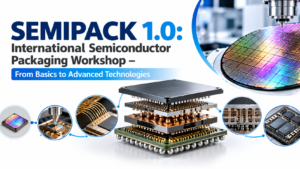


PM Modi calls CG Semiconductor plant, next step in India’s massive electronics revolution

PM Narendra Modi highlighted the inauguration of the CG Semi OSAT facility in Sanand as a major milestone for India’s tech sector. It expands domestic packaging and chip design, securing supply chains and creating global tech partnerships.
This facility reinforces India’s push for technological self-reliance under the Semicon India Program. Moving quickly into commercial chip packaging bridges raw fabrication with market-ready products, elevating India’s VLSI framework.
Sanand OSAT Facility Execution Timelines
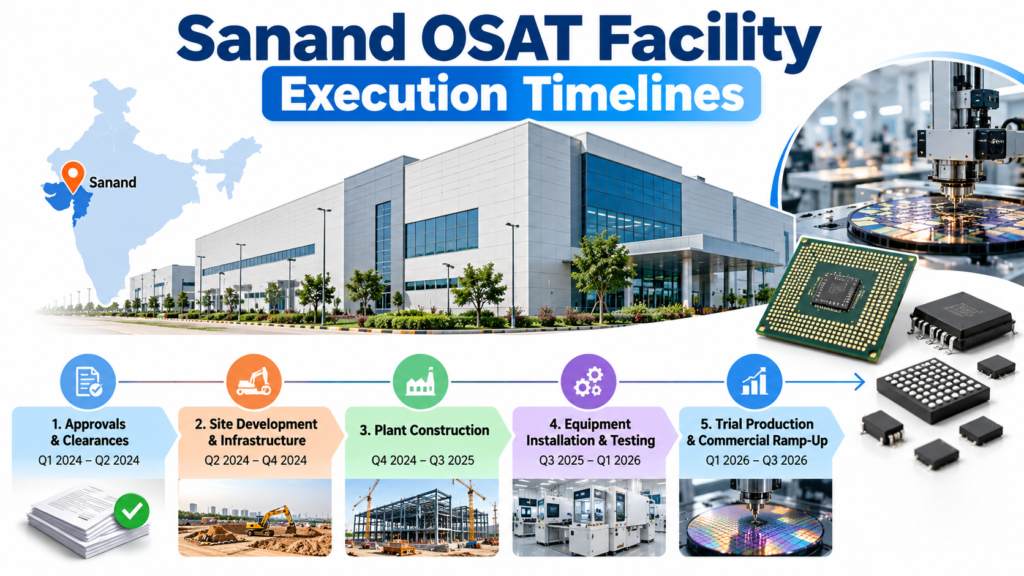
The CG Semi OSAT facility in Sanand, Gujarat, stands as a prime example of rapid industrial execution under national technology initiatives. Following its foundational groundbreaking in 2024, the complex achieved rapid construction milestones to begin testing phases by August 2025 and commercial production shortly thereafter. Spanning a multi-hectare footprint, the setup leverages specialized cleanroom environments and testing machinery tailored for high-volume output.
Engineered through a strategic joint venture involving CG Power, Japan’s Renesas Electronics, and Thailand’s Stars Microelectronics, the plant establishes a high-capacity unit capable of producing hundreds of millions of chips annually, targeting billions over time. This facility serves as a foundational building block for the domestic microelectronics ecosystem, ensuring local assemblies meet stringent international standards.
Strategic Shift from Assembly to Chip Packaging
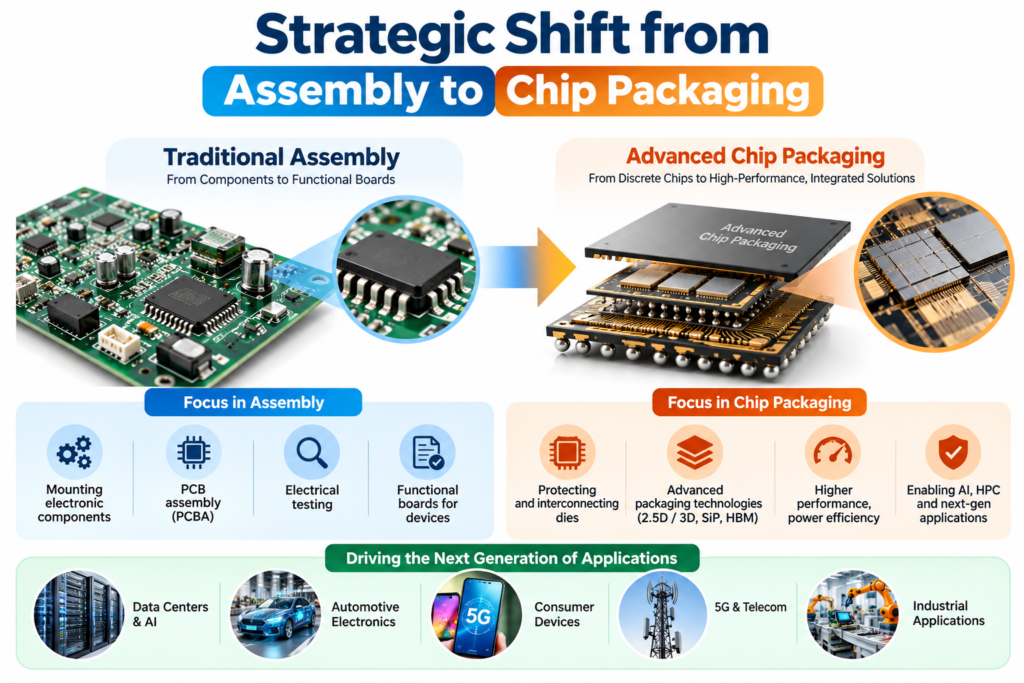
For over a decade, India’s electronics growth focused heavily on final-stage product assembly, particularly within the consumer smartphone sector. Moving into advanced semiconductor packaging represents the mandatory next evolution in capturing higher-value segments of the global electronics supply chain. Packaging and testing form the vital bridge connecting raw silicon wafer designs to integrated circuits ready for deployment.
By developing domestic OSAT facilities, India reduces its historical reliance on external packaging hubs scattered across East Asia. Capturing the packaging tier allows the domestic industry to retain essential engineering know-how, optimize component logistics, and build resilience against unexpected international supply disruptions. This shift significantly elevates local technological value addition.
Impact on Local Automotive and Industrial Sectors
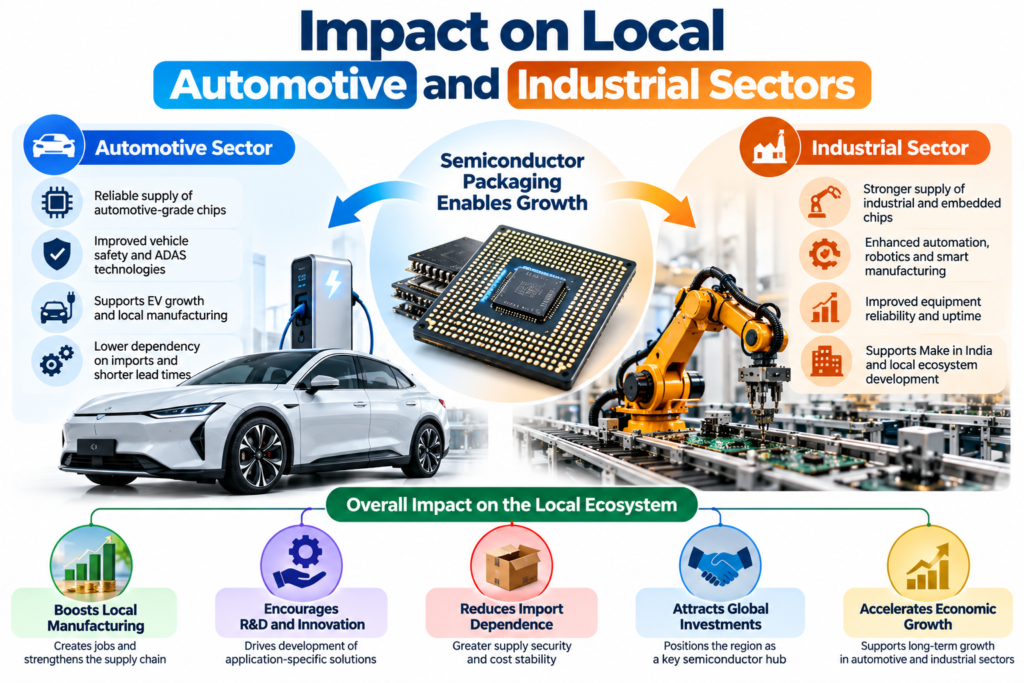
The chips processed at the Sanand plant cater directly to key domestic manufacturing sectors, including automotive electronics, 5G communications, industrial power equipment, and consumer hardware. Modern vehicles rely heavily on microcontrollers and power management ICs; securing a domestic supply helps safeguard automakers from severe production delays like those experienced during recent global shortages.
Furthermore, localizing chip packaging significantly lowers procurement lead times and shipping costs for domestic electronics equipment manufacturers. Having a nearby, reliable source of verified semiconductors allows regional original equipment manufacturers (OEMs) to streamline inventory management, innovate faster, and maintain competitive pricing across both domestic and export markets.
Expanding the Domestic VLSI Ecosystem
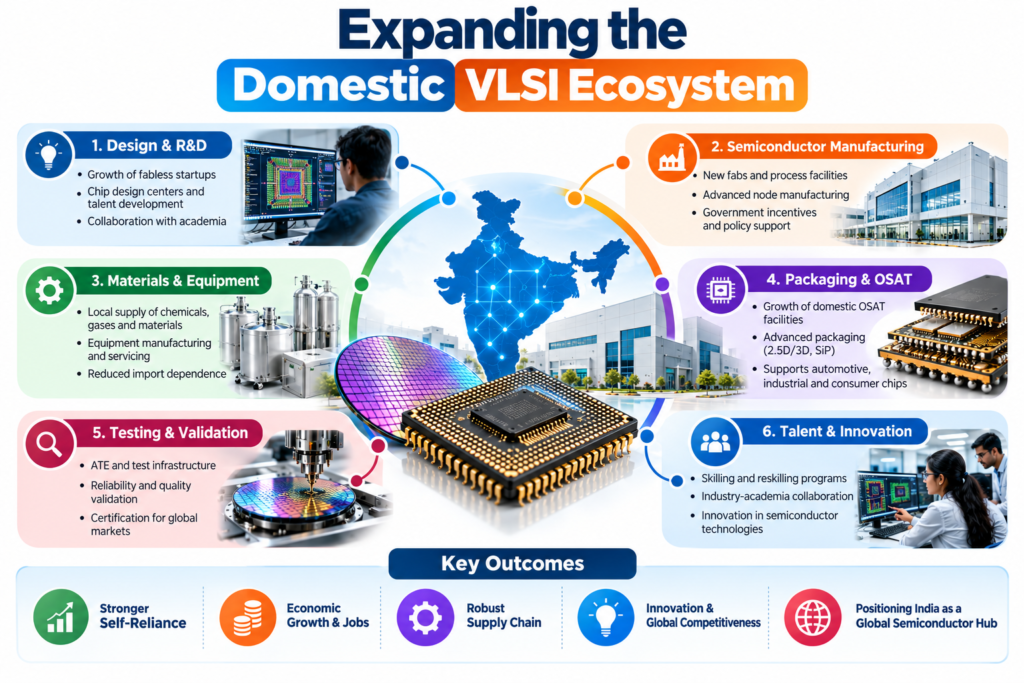
While India has long held a dominant position in global VLSI front-end chip design, the missing link has always been commercial manufacturing and packaging infrastructure on home soil. The operationalization of major OSAT plants creates a direct operational feedback loop between local chip design houses and physical testing facilities. This synergy accelerates the prototype-to-market lifecycle for homegrown semiconductor ventures.
Additionally, the development of industrial clusters like Sanand attracts specialized chemical suppliers, substrate fabricators, precision toolmakers, and logistics providers. This cluster effect generates high-value engineering jobs, incentivizes specialized university curricula, and creates a thriving economic ecosystem capable of supporting future full-scale fabrication units.
Global Supply Chain Integration and Partnerships
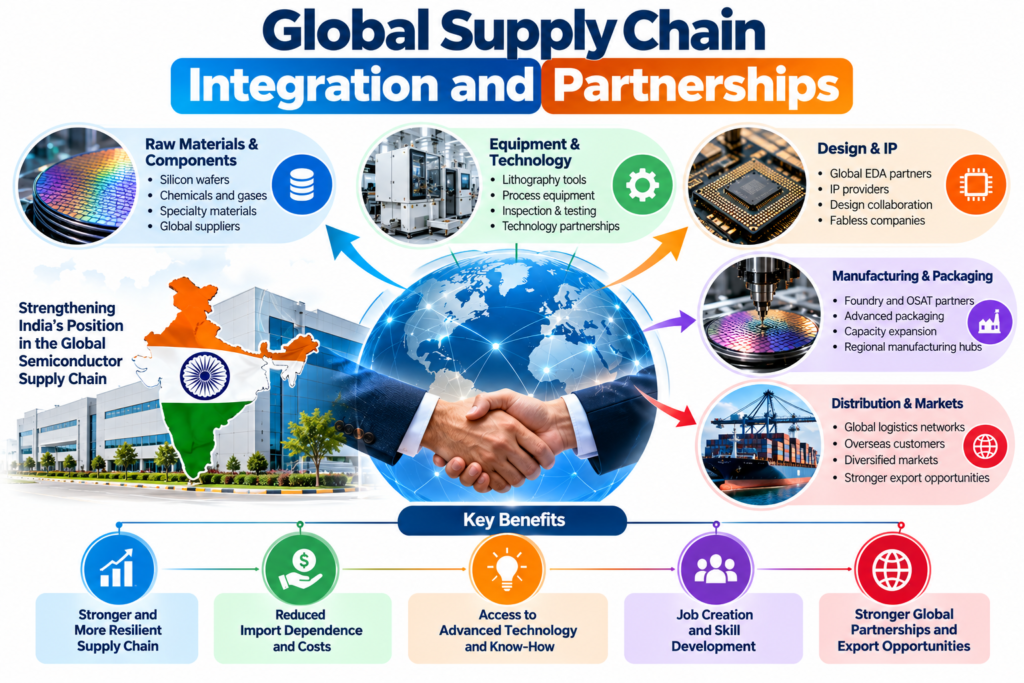
The CG Semi project highlights the importance of global technology alliances in establishing advanced semiconductor operations. By collaborating with established industry leaders like Renesas Electronics and Stars Microelectronics, the facility incorporates proven operational workflows, advanced packaging capabilities (such as FC-BGA and QFN), and immediate global off-take networks.
This cross-border model strengthens international trust in India’s capacity to host critical tech infrastructure. As global tech conglomerates actively seek geographic diversification to build supply chain resilience, India’s expanding network of OSAT facilities positions the nation as a reliable, long-term destination for advanced electronics manufacturing and technological investment.