

India Ranks High in Semiconductor Sector, Falls Behind in Technology Independence

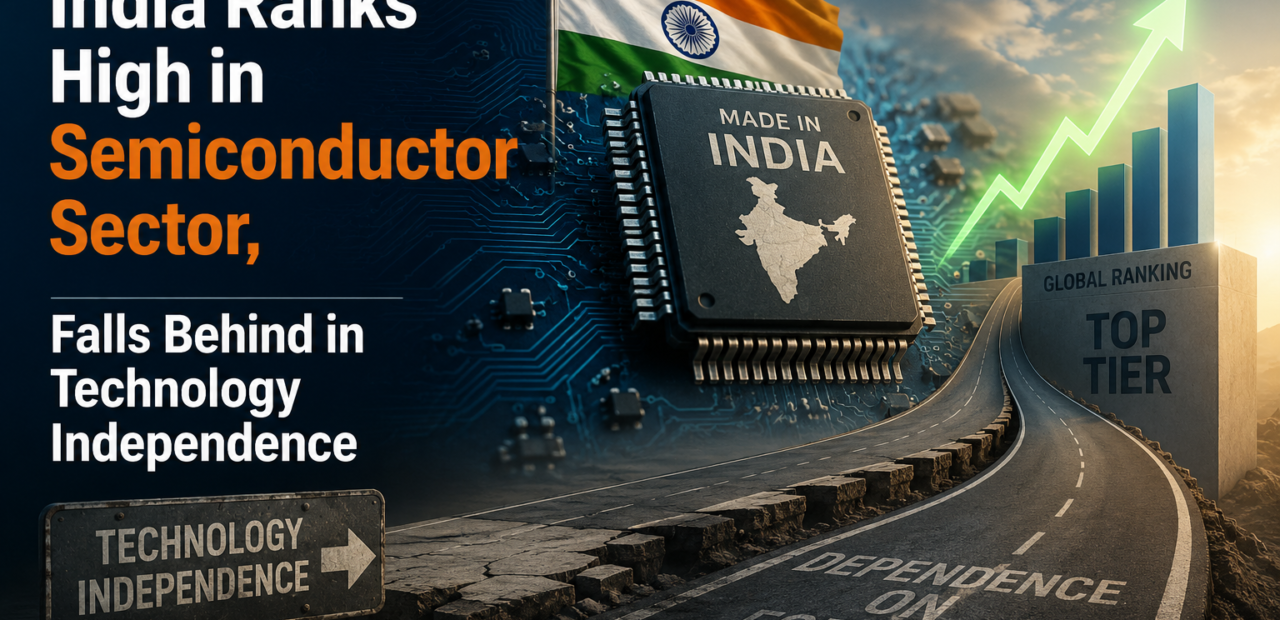
Picture this: a country that trains one in every five chip designers on the planet, yet has to import nearly every chip it uses. That is the strange, split-screen reality of India’s semiconductor story in 2026, and it is worth understanding properly before the headlines oversimplify it.
On paper, India looks unstoppable. Billions in investment, new fabs breaking ground, global giants setting up shop. But peel back a layer and a harder truth shows up: designing a chip and controlling the technology behind it are two very different games, and India is winning one while still catching up on the other.
A Design Powerhouse Built Over Decades

India’s real strength has never really been manufacturing. It is design. Roughly a fifth of the world’s semiconductor design workforce sits in India, and this did not happen by accident. Global fabless companies have run captive design centres here for years, quietly building depth in chip architecture, verification, and layout work that most countries cannot match.
That talent base is why India shows up so high in global rankings and investor conversations. It is a genuine, hard-won advantage, and it explains why so many international chipmakers keep expanding their India footprint rather than shrinking it. But design strength alone does not equal control over the technology stack. A country can be brilliant at designing chips and still be almost entirely dependent on others for the equipment, materials, and fabrication know-how needed to actually produce them. That is precisely the gap India is now confronting.
The Import Bill That Refuses to Shrink
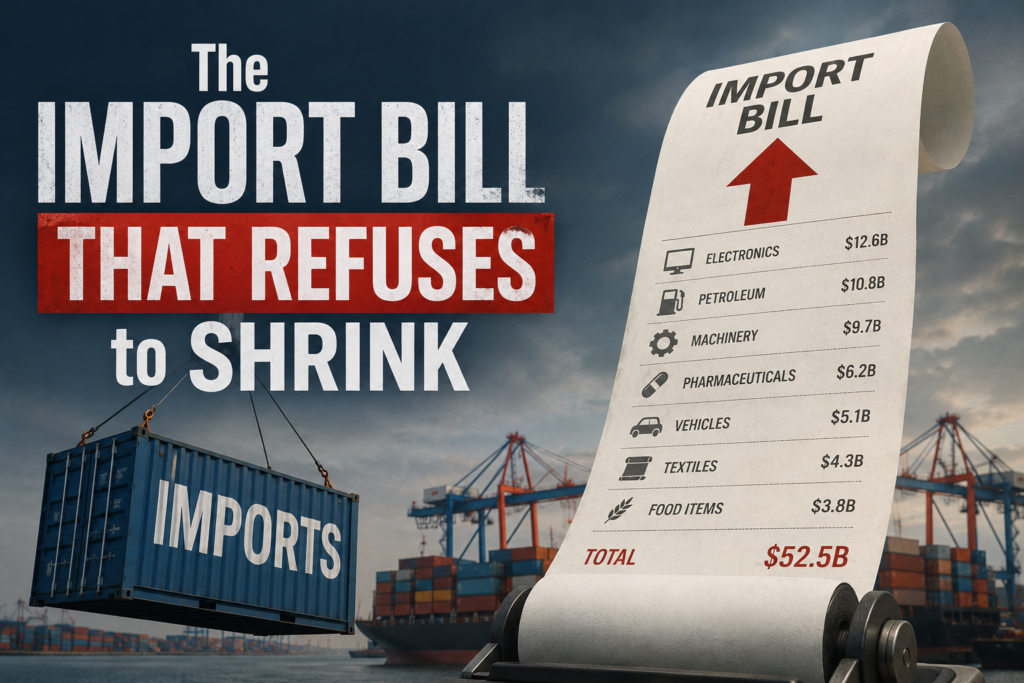
Here is where the picture gets less flattering. Between FY17 and FY25, India’s semiconductor import bill climbed to nearly 150 billion dollars, growing at roughly 23 percent a year. Today, the country still meets only 5 to 10 percent of its own chip demand domestically, leaving 90 to 95 percent to be sourced from abroad. If nothing changes, that annual bill could balloon toward 240 billion dollars by 2035.
This is not a small accounting detail. It is a strategic vulnerability. A large share of global chip production is concentrated in Taiwan, South Korea, China, and the United States, and any disruption in that supply chain, the kind the world briefly experienced during the pandemic, ripples straight into India’s automobiles, electronics, healthcare equipment, and defence systems. Import dependence at this scale is not just a cost problem; it is a national security question, and policymakers have started framing it exactly that way.
Fabs Are Finally Rising, But Patience Is Required

The good news is that India is no longer just talking about manufacturing, it is building it. Tata Electronics’ fabrication facility in Dholera, Gujarat, is expected to begin production around 2028, marking the country’s first real front-end fab. Kaynes Semicon’s assembly and testing facility in Sanand became operational in early 2026, and several other packaging and testing units are moving from announcement to construction across states like Gujarat, Assam, and Karnataka.
The government has also widened its ambitions through what is now being called the next phase of the India Semiconductor Mission, backed by a budget allocation running into trillions of rupees and stretching across chip design, fabrication, display manufacturing, advanced packaging, and specialty materials. The intent is clear: move from simply attracting investment to deepening the entire ecosystem around it.
Still, none of this happens overnight. Building a fabrication plant typically takes four to five years even under ideal conditions, and India’s first attempts are, sensibly, targeting mature process nodes rather than chasing the bleeding edge immediately. That is a pragmatic strategy, but it also means true self-sufficiency is still a decade-long project, not a next-quarter outcome.
What Real Technology Independence Actually Requires

This is the part that rarely makes it into upbeat press releases. Even as fabs rise, India remains almost entirely dependent on imports for the upstream equipment and materials that make chip manufacturing possible in the first place. Estimates suggest the country imports more than 90 percent of its chip-making equipment and roughly 85 to 90 percent of the specialty chemicals and electronic-grade gases a fab needs to run. You cannot call a supply chain independent when its most critical inputs still come from somewhere else entirely.
Recognising this, recent industry roadmaps have taken a more realistic approach rather than promising to out-spend global leaders on the most advanced process nodes. Instead, the focus has shifted toward areas where India’s existing strengths, design depth, packaging, and materials science, can actually create leverage: advanced packaging, compound semiconductors like silicon carbide and gallium nitride, and selective investment in a small number of strategically important nodes rather than trying to compete everywhere at once.
That is arguably a smarter path than chasing headlines about the newest, smallest transistor. Genuine technology independence will come from owning enough of the chain, design, packaging, specialty materials, and select manufacturing nodes, that no single disruption abroad can bring the whole system to a halt.