


Gartner Forecasts Worldwide Semiconductor Revenue to Reach $1.6 Trillion in 2026

What if a single number could reshape how the entire tech world plans its next decade? That’s essentially what happened when Gartner released its updated outlook, projecting that worldwide semiconductor revenue will climb to roughly $1.6 trillion in 2026. Just a year ago, a figure like this would have sounded like an exaggerated headline rather than a serious market forecast.
This isn’t just another line item buried in an analyst report. It reflects a real shift in how the world is building and powering artificial intelligence, data centers, and everyday electronics. For anyone following the semiconductor and VLSI industry, the story behind this number matters far more than the number itself — and that story is unfolding faster than most people expected.
What’s Actually Driving This Massive Jump
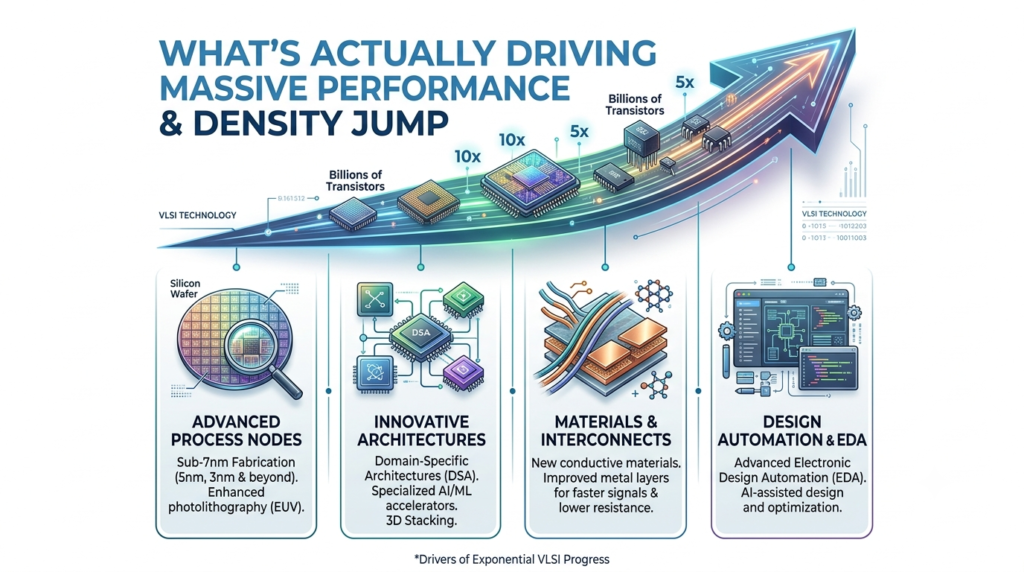
The chip industry has seen strong years before, but this forecast stands out because of how broad the demand is. Gartner points to three major forces working together: continued momentum in AI accelerators, surging memory demand, and a sharp rise in data center networking hardware. AI infrastructure alone is pulling in enormous investment, as hyperscalers and cloud providers race to build out capacity for training and running large models.
What makes this cycle different from previous semiconductor booms is that it isn’t concentrated in one category. Logic chips, memory, and networking silicon are all growing at the same time, reinforcing each other. When AI servers scale up, they need more processing power, more high-bandwidth memory, and faster networking components to move data between chips. That combination is a big reason analysts are calling this one of the strongest growth periods the industry has seen in over twenty years.
The Memory Price Story Behind the Numbers
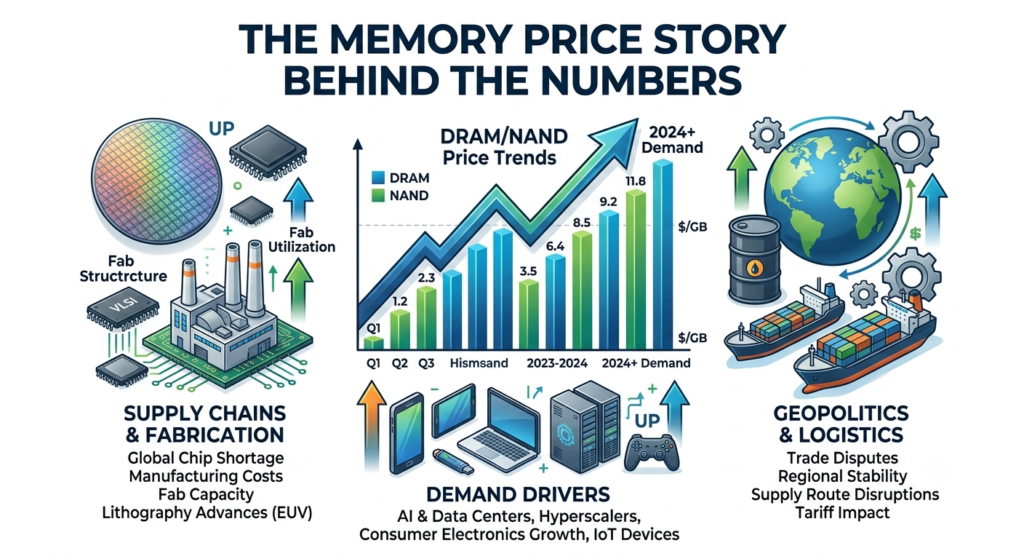
A large part of this revenue jump comes down to memory. Gartner expects memory to become the single largest semiconductor category in 2026, accounting for more than half of total industry revenue. Analysts have started referring to this trend as “memflation” — a sustained period of rising DRAM and NAND flash prices driven by tight supply and overwhelming AI-related demand.
This matters beyond the balance sheets of chipmakers. When memory prices rise this sharply, the cost eventually ripples through smartphones, laptops, servers, and other electronics that rely on it. Analysts have cautioned that this pricing pressure could weigh on demand outside the AI sector, since manufacturers building non-AI products face the same higher input costs without the same revenue upside. It’s a reminder that behind every big industry number, there are real supply chains adjusting in real time.
Who’s Winning in This New Chip Landscape
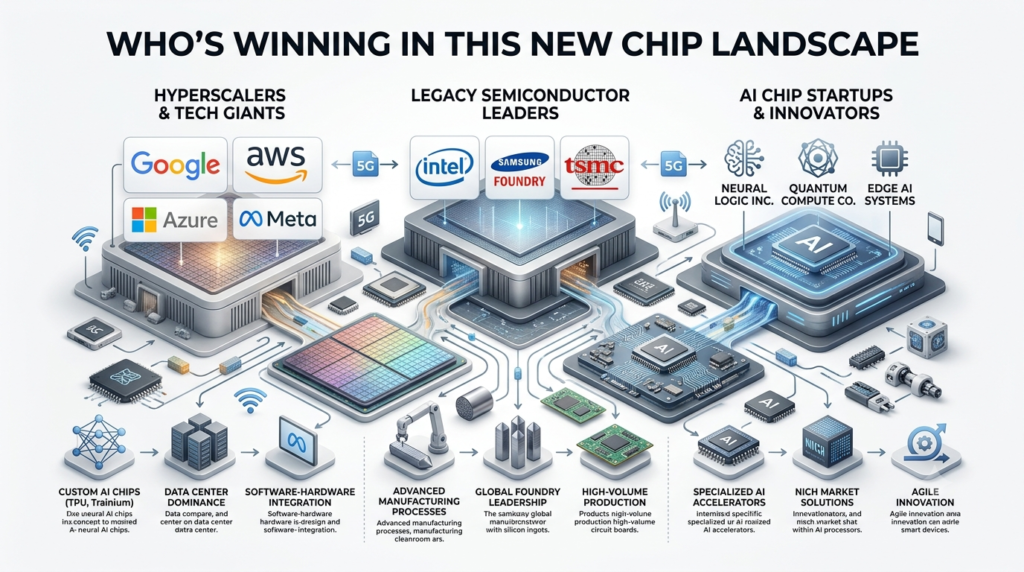
Revenue growth on this scale doesn’t get distributed evenly across every company. Gartner’s data shows a handful of players extending their lead, particularly those tied closely to AI processing and high-performance memory. Companies with strong positions in GPUs, AI accelerators, and advanced memory are capturing a disproportionate share of the new revenue, while some traditional semiconductor leaders are seeing their market share shift.
This shakeup is worth watching closely because it hints at where future investment and innovation will concentrate. As AI infrastructure spending keeps climbing, the companies that can scale production, secure supply agreements, and keep pace with advanced packaging and process technology will likely keep pulling ahead. It’s less about who was dominant yesterday and more about who can adapt fastest to where demand is heading next.
What This Means Going Forward
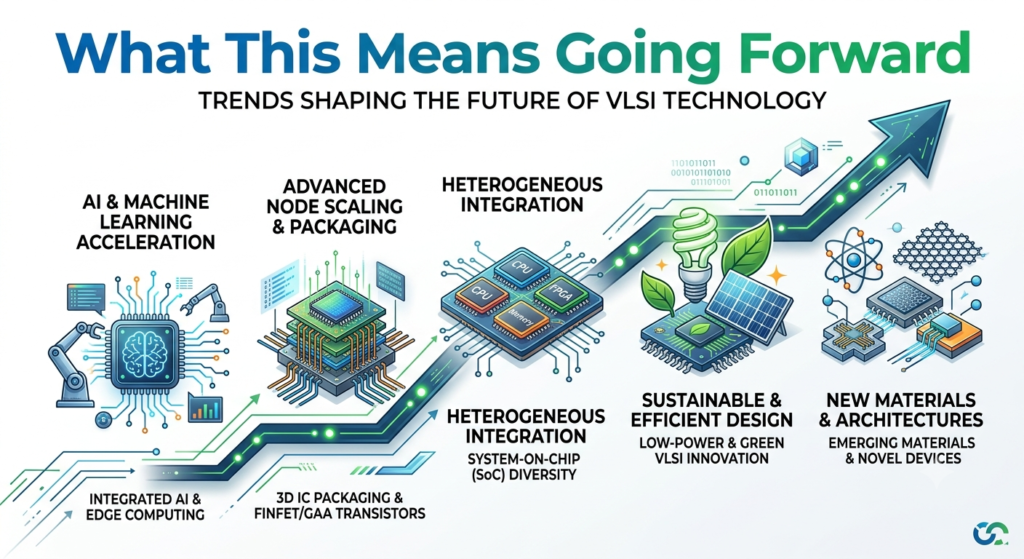
Perhaps the most interesting part of this forecast isn’t 2026 itself — it’s what comes after. Gartner’s outlook suggests this isn’t a short-lived spike but part of a multi-year growth pattern, with the industry expected to keep expanding as AI infrastructure buildouts continue and memory supply gradually catches up with demand. Some price relief on memory isn’t expected until later in the decade, which means the current pricing environment could stick around longer than many companies would like.
For technology buyers, this has practical implications. Gartner has advised IT leaders and procurement teams to be cautious with long-term supply agreements while prices remain elevated, since locking in contracts during a price spike can be costly if conditions shift. On the flip side, for chip designers, foundries, and equipment makers, sustained demand of this magnitude usually translates into years of capacity expansion, new fab investments, and continued innovation in packaging and process nodes.