

How to Get a Job in VLSI Industry: Complete Guide

Ever wondered why some engineers land chip design roles at top semiconductor companies while others send out fifty resumes and hear nothing back? The difference usually isn’t luck. It’s a mix of the right skills, the right proof of those skills, and knowing exactly what hiring managers in this space are looking for.
The VLSI industry is one of the most in-demand fields in electronics today, powering everything from smartphones to electric vehicles. Yet breaking in still feels confusing for a lot of aspiring engineers. This guide walks you through what actually matters, step by step, so you can build a real path into chip design and verification instead of guessing your way through it.
Understanding What the VLSI Industry Actually Wants
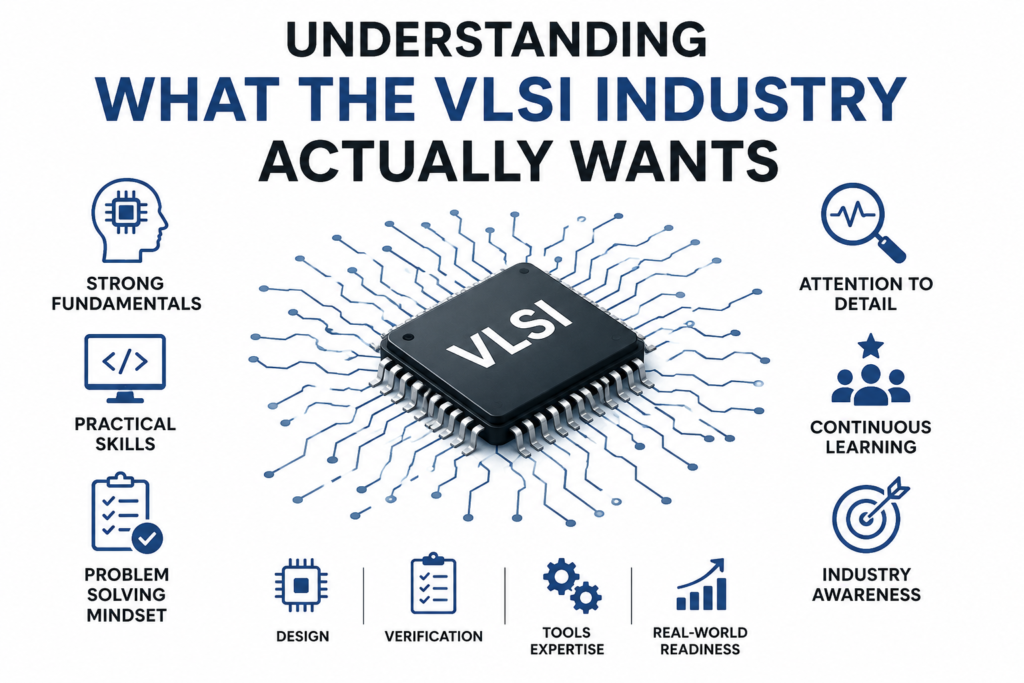
Before chasing job openings, it helps to understand how the industry is structured. VLSI roles generally fall into a few buckets: design, verification, physical design, and DFT (design for testability). Each of these has its own tools, workflows, and expectations. Companies aren’t just hiring people who know Verilog or VHDL on paper — they want people who can debug a real design issue, explain their reasoning, and work inside a team that ships silicon on tight schedules. Knowing which sub-field excites you before you start applying saves you months of unfocused effort.
Building a Skill Set That Actually Gets Noticed

Theoretical knowledge alone rarely gets anyone hired in this field. What matters is hands-on exposure to tools like Cadence, Synopsys, or Mentor Graphics, along with a solid grip on digital logic, RTL coding, and timing concepts. Start small: write your own RTL modules, simulate them, and try to break your own designs the way a verification engineer would. Employers can tell within minutes of a technical conversation whether someone has actually built something or just read about it. If you’re serious about closing that gap, structured VLSI Training in Hyderabad has become a popular route for many engineers, since it combines classroom fundamentals with lab-based project work that mirrors real industry workflows.
Choosing the Right Training Path

Not all training programs are created equal, and this is where a lot of people waste time and money. A good program should cover the full flow — from RTL design to synthesis, simulation, and basic physical design — rather than just skimming the surface. Institutes like Jasttech have built a name in this space by focusing on practical, project-driven learning rather than long lecture-heavy sessions. When evaluating any training provider, ask about their placement track record, the tools they teach on, and whether you’ll walk away with a project you can actually showcase. That project often becomes the centerpiece of your resume and interview conversations.
Crafting a Resume and Portfolio That Stands Out
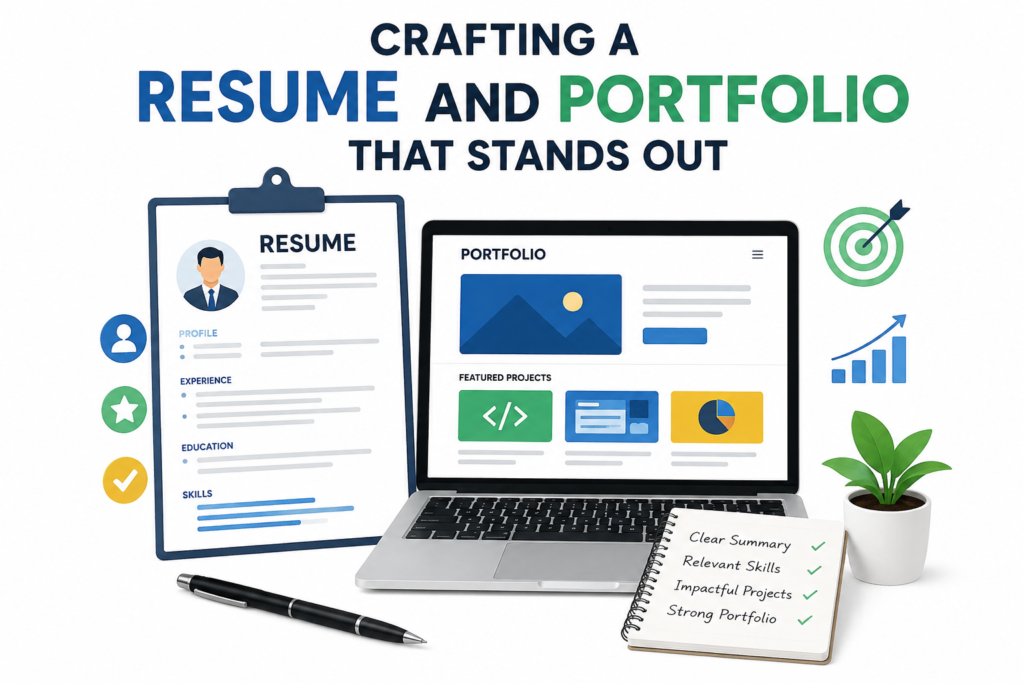
Recruiters in this industry skim resumes fast, so clarity beats cleverness every time. List the tools you’ve used, the projects you’ve built, and the specific problems you solved — not just buzzwords. If you designed a simple ALU, verified a UART protocol, or worked through a physical design flow, say so in plain language with measurable outcomes. A short GitHub repository or a documented project report can do more for your credibility than a dozen extra certifications. Recruiters want evidence, not adjectives.
Cracking the Interview Process

This is usually the stage where preparation makes or breaks the outcome. VLSI interviews typically mix conceptual questions on digital logic and computer architecture with practical problem-solving, like writing test benches or debugging a piece of code on the spot. Interviewers also probe how you think — not just whether you know the “correct” answer. Working through a structured VLSI interview guide before your interviews can help you anticipate common question patterns, from combinational and sequential logic puzzles to real scenarios involving setup and hold time violations. Practicing out loud, not just reading answers silently, makes a noticeable difference when you’re actually in the room.
Conclusion
Getting into the VLSI industry isn’t about ticking boxes on a checklist. It’s about building genuine competence, backing it up with visible proof of your work, and preparing seriously for the moments that matter, like interviews. Whether you go through formal training, self-study, or a mix of both, the goal is the same: show up with skills you can demonstrate, not just describe. Do that consistently, and the opportunities tend to follow.
How can I get a job in the VLSI industry?
Build strong RTL design, Verilog, SystemVerilog, and digital electronics skills. Learn EDA tools, complete hands-on projects, and apply for internships and fresher VLSI roles.
What skills are required for a VLSI job?
Core skills include Digital Electronics, Verilog, SystemVerilog, RTL Design, Verification, Linux, scripting, and familiarity with Synopsys or Cadence EDA tools.
Can freshers get a job in the VLSI industry?
Yes. Freshers with practical projects, good fundamentals, and hands-on experience with VLSI tools have excellent chances of landing entry-level semiconductor jobs.
Which programming language is best for VLSI?
Verilog and SystemVerilog are essential for RTL design and verification. Python, Tcl, Perl, and basic C/C++ are also valuable for automation and scripting tasks.
Is coding necessary for VLSI jobs?
Basic coding is important. Verilog, SystemVerilog, and scripting languages like Python or Tcl help automate workflows and improve productivity in VLSI design.