

Shivtek Spechemi to Build Gujarat Plant for Semiconductor-Grade Chemicals

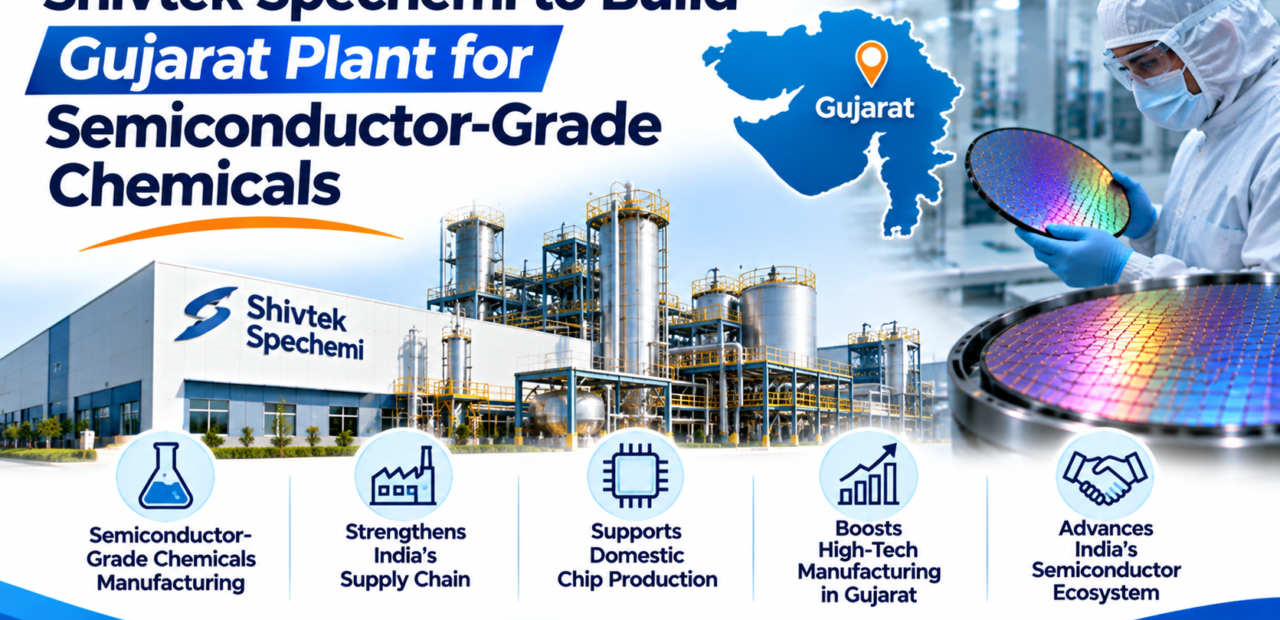
India’s semiconductor industry is gradually expanding beyond chip design and manufacturing into the supporting industries required to build a strong domestic semiconductor ecosystem. Along with fabrication facilities, the sector depends on specialised materials, high-purity chemicals, advanced equipment and reliable supply networks. In a significant development, Shivtek Spechemi Industries has announced plans to enter the electronic-grade specialty chemicals market through a new manufacturing facility at Pungam in Gujarat. The proposed plant will produce electronic-grade hydrochloric acid (HCl), isopropyl alcohol (IPA) and hydrogen peroxide (H₂O₂), which are important chemicals used in semiconductor processing and cleaning applications. The investment reflects growing business opportunities in India’s semiconductor supply chain.
The proposed facility is expected to receive an investment of approximately ₹120 crore for the electronic-grade chemicals business, as part of a larger expansion project involving more than ₹300 crore. Shivtek plans to introduce production in phases, with electronic-grade hydrochloric acid targeted to begin commercial production in FY2027–28, followed by isopropyl alcohol and hydrogen peroxide in FY2028–29. The company expects its products to serve India’s growing semiconductor manufacturing requirements and potentially reduce dependence on imported high-purity chemicals. This development also highlights the importance of specialty chemical manufacturers in supporting India’s ambitions to become a stronger participant in the global semiconductor industry.
Shivtek Spechemi’s Gujarat Plant: An Important Expansion into Electronic-Grade Chemicals
Shivtek Spechemi Industries is planning to establish its new electronic-grade specialty chemicals manufacturing facility at Pungam in Gujarat. The project represents the company’s entry into a specialised segment of the semiconductor supply chain. Unlike conventional industrial chemicals, electronic-grade chemicals require extremely high purity levels and strict control over contamination. Even very small amounts of unwanted impurities can affect semiconductor manufacturing processes, making material quality an essential requirement for chip manufacturers.
The company plans to manufacture three major products: hydrochloric acid, isopropyl alcohol and hydrogen peroxide. The proposed capacity includes 50,000 tonnes of electronic-grade HCl, 6,000 tonnes of IPA and 5,000 tonnes of hydrogen peroxide annually. Shivtek expects the facility to address approximately 5–8% of India’s demand for these three products. The project will be developed in phases, allowing the company to introduce production capacity progressively as commercial operations and market demand develop.
Understanding the Role of HCl, IPA and Hydrogen Peroxide in Semiconductor Manufacturing
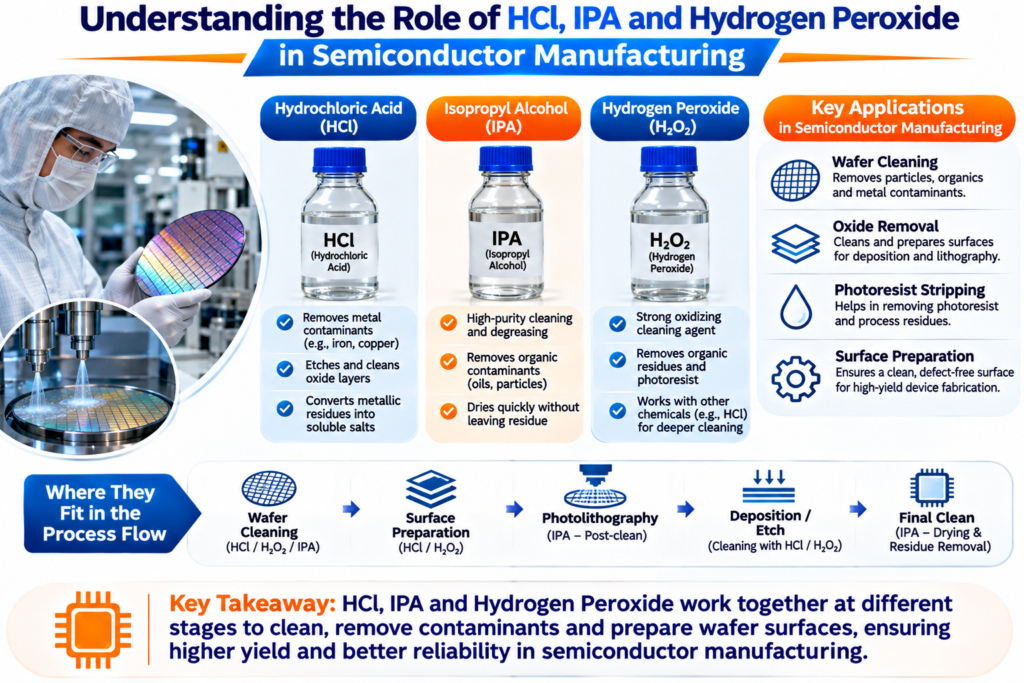
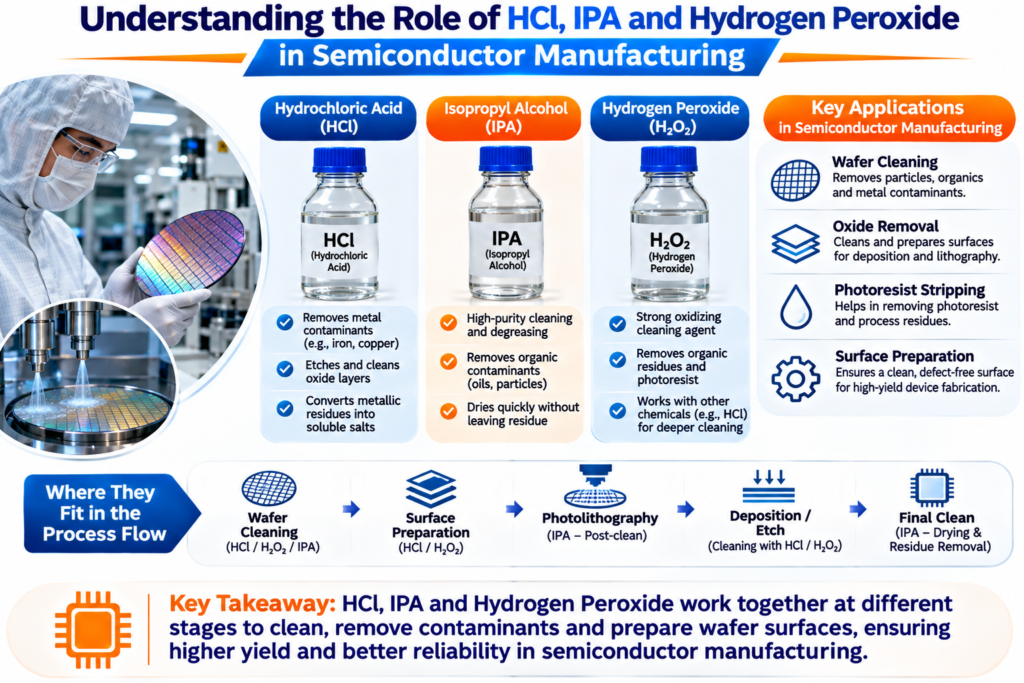
High-purity chemicals play an important role in semiconductor fabrication because silicon wafers and other components require carefully controlled cleaning and processing. Hydrochloric acid is used in specialised semiconductor cleaning processes to remove certain metallic contaminants. Isopropyl alcohol is used as a high-purity solvent in cleaning and drying applications, while hydrogen peroxide is an important chemical used in wafer-cleaning processes and surface preparation. Their quality directly affects the reliability and consistency of manufacturing operations.
Electronic-grade chemicals differ from conventional industrial grades because their impurity levels must be tightly controlled. Semiconductor manufacturers require reliable specifications, consistent batches and processes that minimise contamination. Shivtek plans to develop higher-purity versions of these chemicals through its in-house research and development capabilities. The company has indicated a target purity level of 99.99% for its products. Actual acceptance for semiconductor applications will also depend on customer qualification, testing and the required technical specifications.
Investment, Production Capacity and Project Timeline
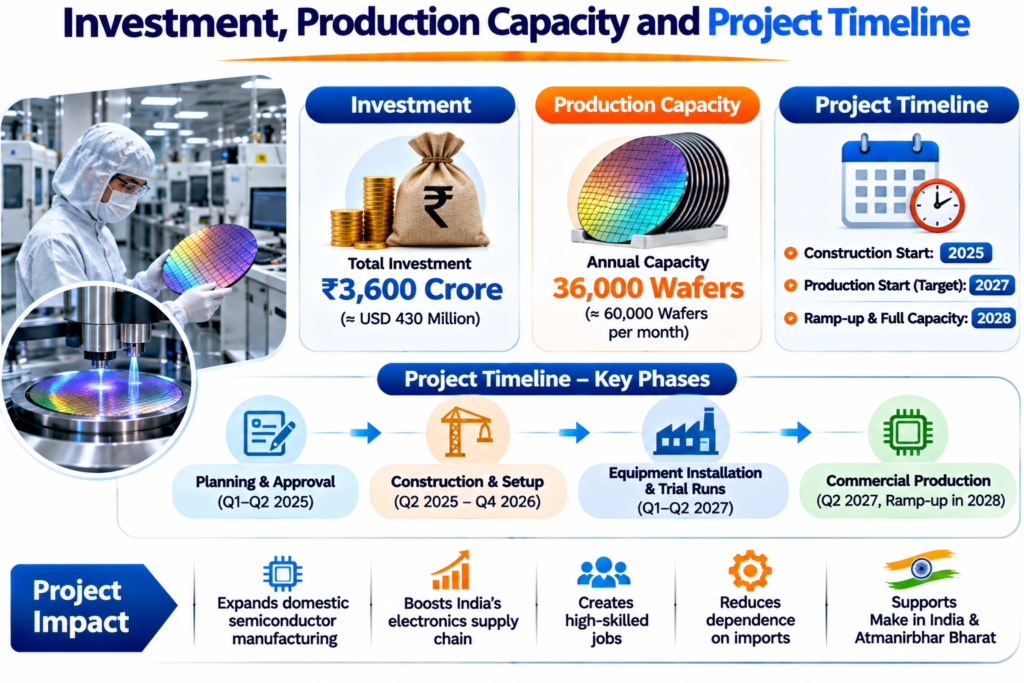
The proposed electronic-grade chemicals business involves an investment of approximately ₹120 crore in plant and machinery. This investment forms part of a larger project with an overall investment exceeding ₹300 crore, which includes other specialty chemical product lines. The company is targeting commercial production in stages rather than commissioning all three chemical units simultaneously. This phased strategy is intended to support operational development and match production with expected market requirements.
The planned production schedule begins with the electronic-grade hydrochloric acid facility in FY2027–28. The IPA and hydrogen peroxide facilities are targeted for commissioning in FY2028–29. Together, the three products are expected to provide an annual production capacity of 61,000 tonnes. Shivtek has also indicated that it expects the electronic-grade chemicals business to generate approximately ₹700–800 crore in revenue during its first phase of production. These are company projections, not guaranteed financial outcomes, and will depend on production, customer approvals and market demand.
How the Project Could Support India’s Semiconductor Supply Chain
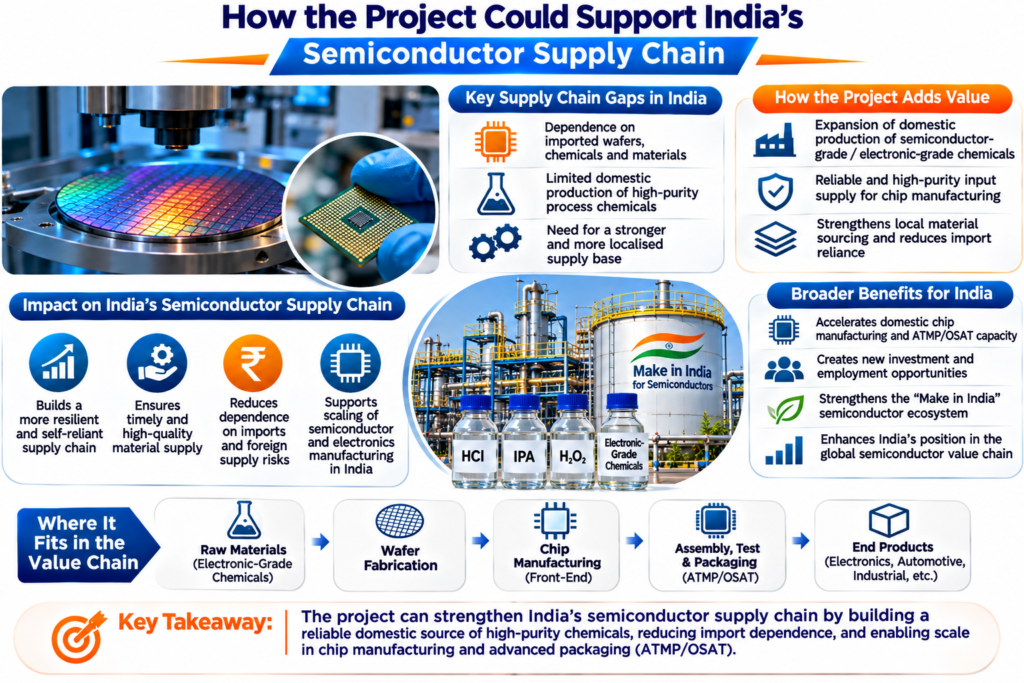
India’s semiconductor manufacturing ambitions require more than semiconductor fabrication plants. A complete ecosystem also needs high-purity chemicals, specialty gases, advanced packaging materials, manufacturing equipment, testing facilities and dependable logistics. When these supporting materials are sourced from a limited number of international suppliers, manufacturers may face supply interruptions, longer procurement cycles and additional costs. Developing reliable domestic suppliers could help strengthen the overall semiconductor manufacturing network.
Shivtek’s proposed Gujarat facility could contribute to this effort by introducing additional domestic production capacity for three important electronic-grade chemicals. The company expects to position its products as alternatives to imported materials and has indicated that its pricing could be 35–40% below international market levels. It has also reported product testing with two original equipment manufacturers supplying the semiconductor industry. However, customer qualification and consistent commercial-grade production will be important before the facility can become an established supplier to semiconductor manufacturers.
Gujarat’s Manufacturing Ecosystem and Future Opportunities
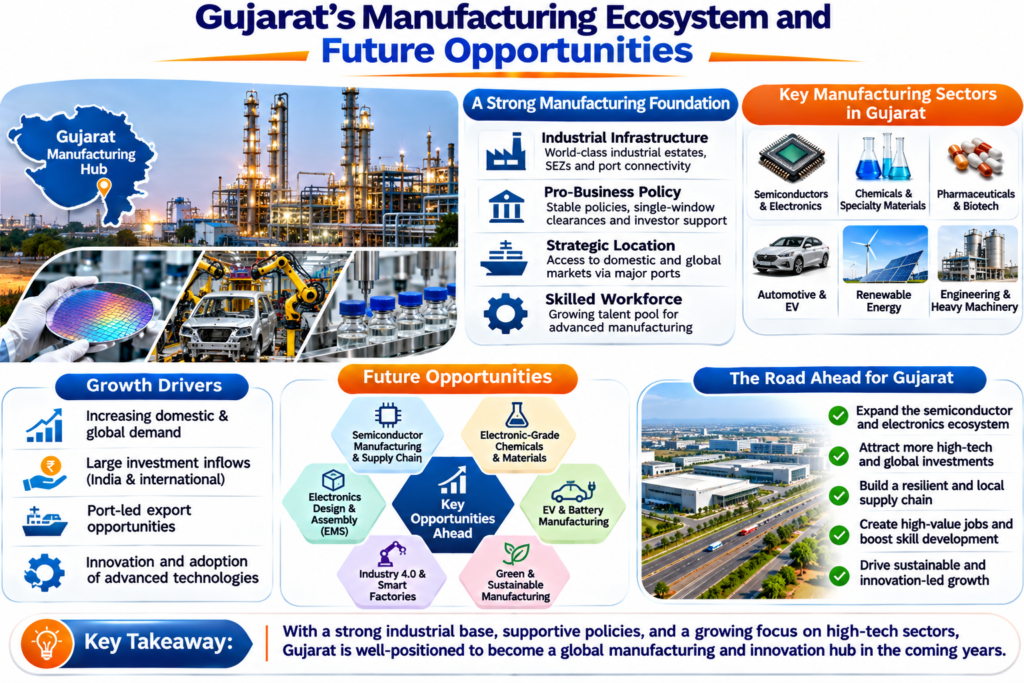
Gujarat has an established specialty chemicals industry, industrial infrastructure and access to major ports. These advantages can support the movement of raw materials and finished products, particularly for companies operating in specialised chemical manufacturing. Shivtek selected Pungam partly because of its connectivity and proximity to existing chemical suppliers. The location is expected to support procurement, production and distribution as the company develops its electronic-grade chemicals business.
The project could also create opportunities beyond semiconductor manufacturing. Shivtek has identified the pharmaceutical industry as an alternative market for surplus production, particularly for products that meet the required purity standards. This approach may help the company manage capacity utilisation while developing its semiconductor customer base. In the longer term, successful production, customer qualification and reliable quality management could strengthen India’s domestic specialty chemicals industry and create additional opportunities for chemical engineers, process specialists and semiconductor supply-chain professionals.